
Can Sun Damage Be Reversed?
Beyond Sun Protection: What to Do When Sun Damage Happens
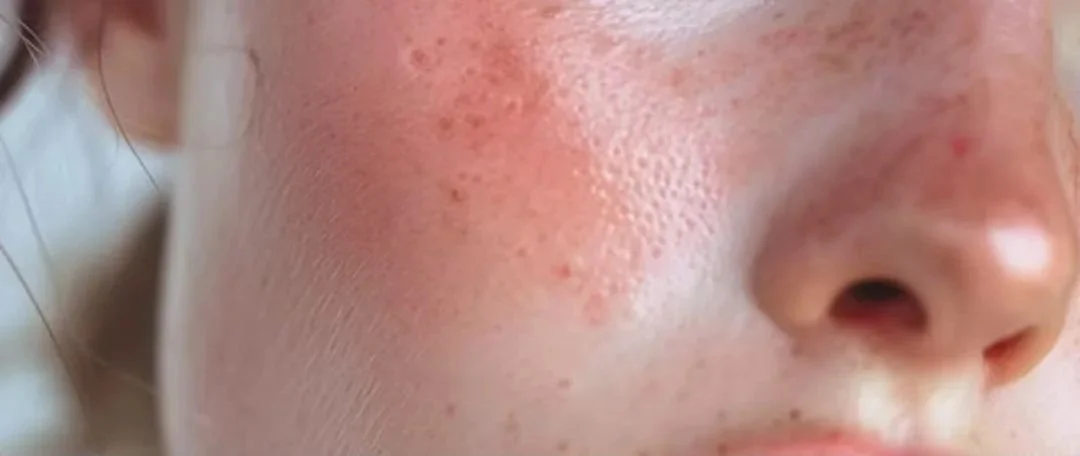
Sun damage (photoaging) happens when UV exposure breaks down collagen, alters pigmentation, and causes long-term changes in skin structure leading to uneven skin tone, pigmentation (sun spots, melasma), fine lines and wrinkles, loss of elasticity
While the skin can repair itself to a degree, it can’t fully reset to its pre-damage state. The key is early intervention and a personalized approach.
There is no such thing as 100% protection
We believe in sun protection every day but let’s be honest: not everything can be filtered out. Even with diligent SPF use, incidental UV exposure adds up over time, and sun damage can happen. The good news? There are ways to improve visible sun damage and help prevent further cumulative damage.
Some concerns are more straightforward to address, while others can be more challenging and require a longer-term strategy.
The most common sun damage concerns we consult clients about include:
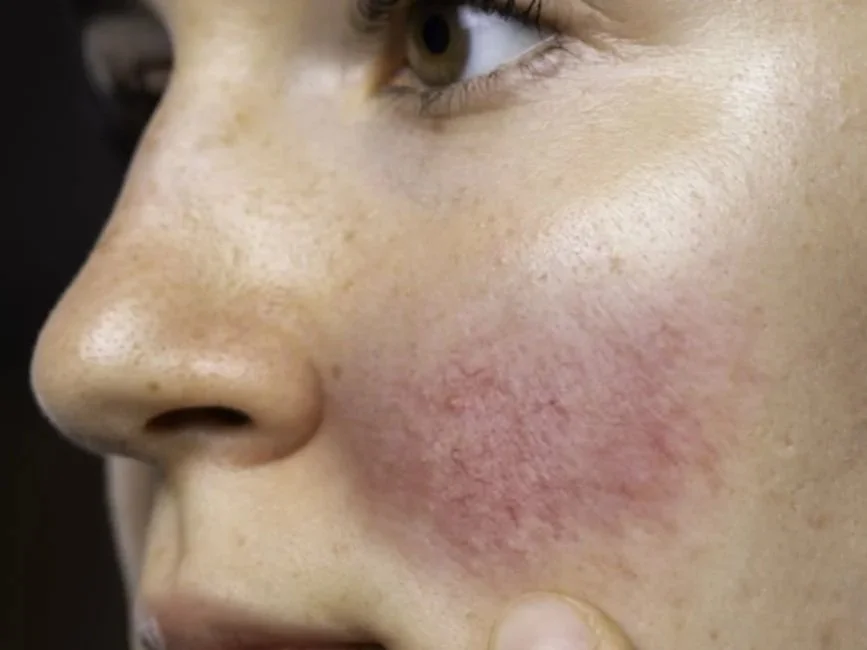
Redness
This can include diffuse redness, flushing, or visible broken capillaries (telangiectasias), often caused or worsened by chronic sun exposure.
With consistent care + treatments, you can noticeably reverse or soften many visible signs with
Consistent hydration and barrier repair
Chemical and Herbal Peels
Laser/IPL treatments
Microneedling
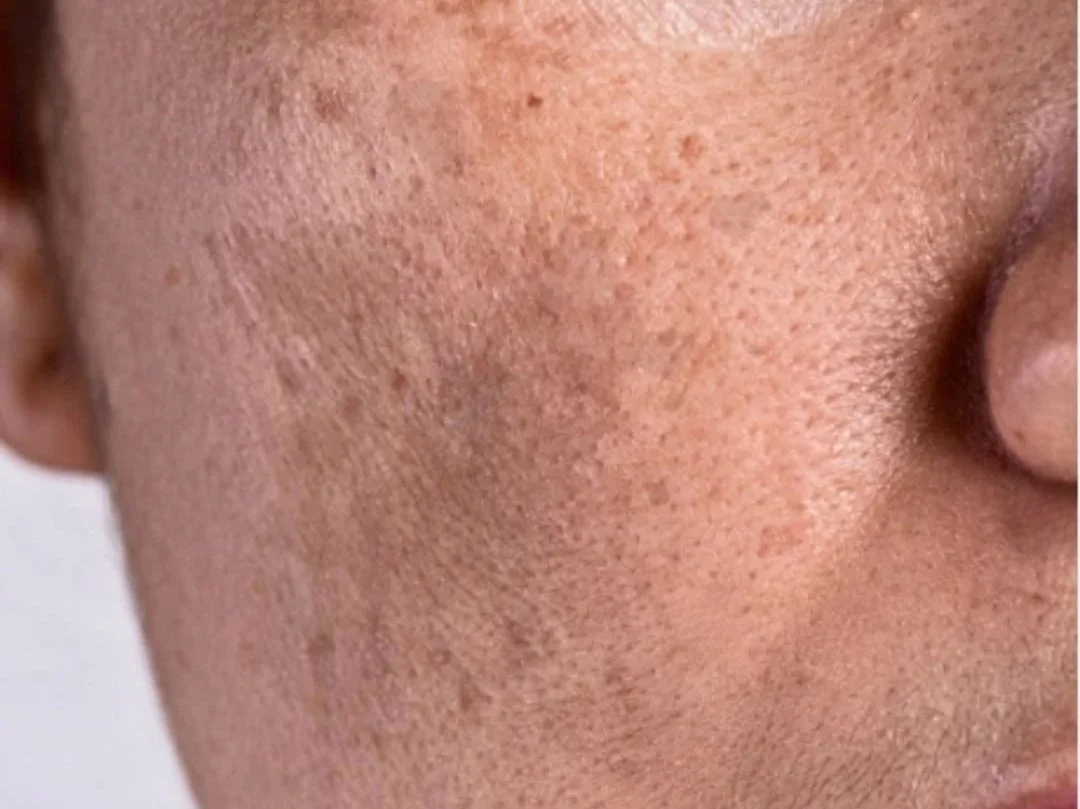
Pigmentation
Sunspots and melasma are among the most common concerns we treat. Some pigmentation responds beautifully, while others - especially hormonally influenced melasma - can require ongoing management.
With consistent care + treatments, you can noticeably reverse or soften many visible signs with
Consistent hydration and barrier repair
Vitamin C and other antioxidants
Retinoids and Retinols
Chemical and Herbal Peels
Laser/IPL treatments
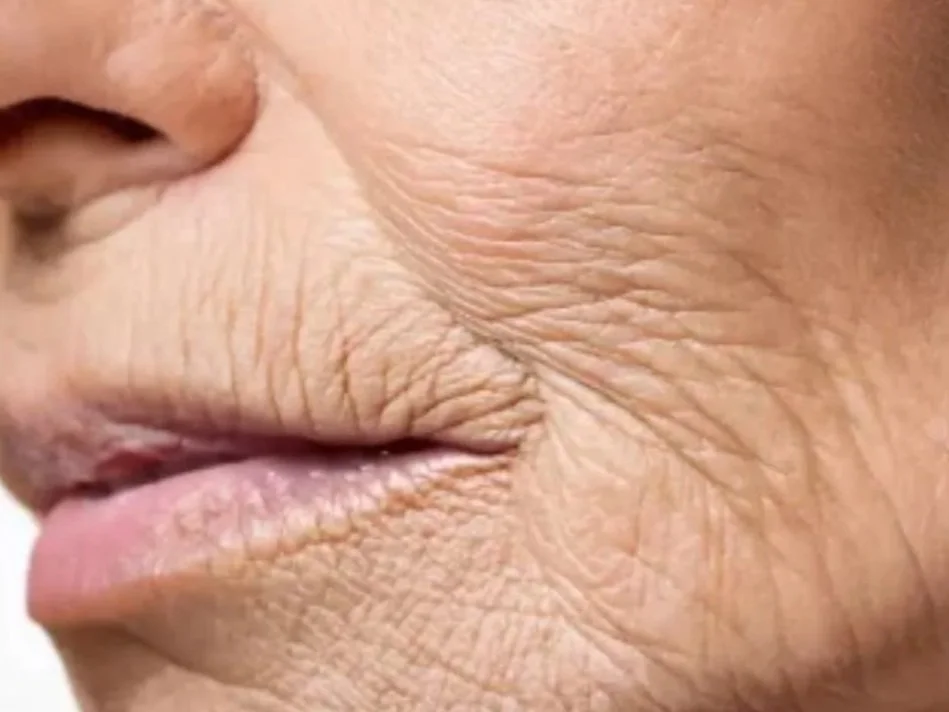
Wrinkles
UV exposure accelerates collagen breakdown, contributing to fine lines, textural changes, and deeper wrinkles over time.
With consistent care + treatments, you can noticeably reverse or soften many visible signs with
Consistent hydration and barrier repair
Retinoids and Retinols
Microneedling
Fractional lasers
Radiofrequency-based treatments
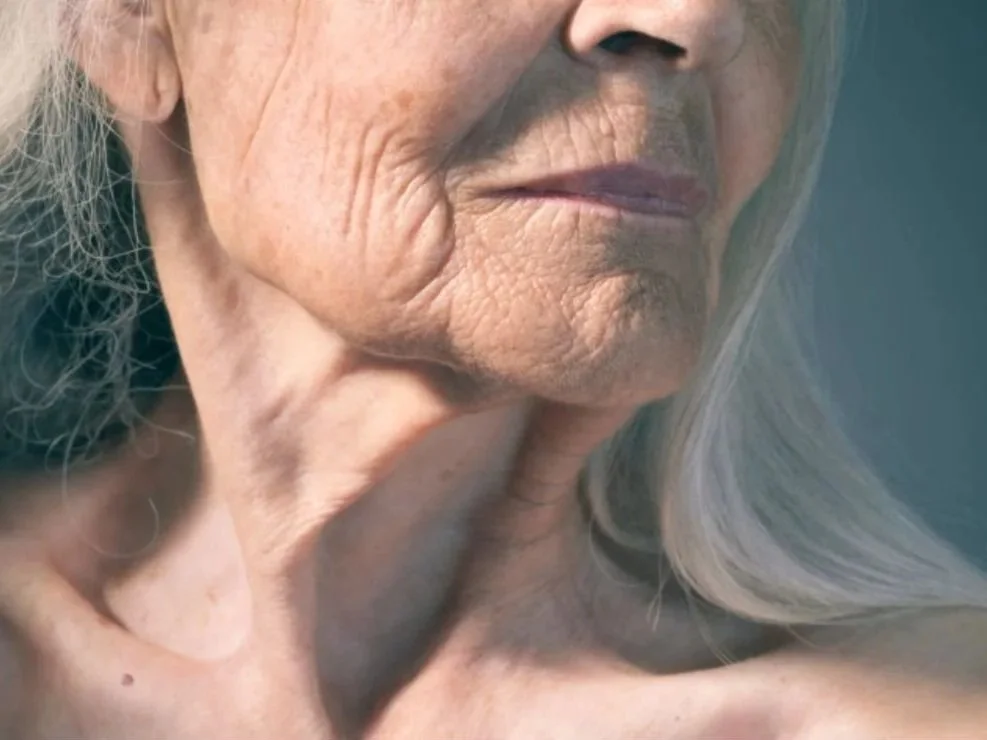
Loss of Elasticity
Sun damage can impact skin firmness and resilience, leading to laxity and a more crepey appearance.
With consistent care + treatments, you can noticeably reverse or soften many visible signs with
Consistent hydration and barrier repair
Retinoids and Retinols
Microneedling
Fractional lasers (Pixel, CO2)
Radiofrequency-based treatments (Venus, RF Microneedling)
Before Any Advanced Treatments:
Prepare the Skin
One of the most overlooked - but most important - steps before pursuing advanced treatments is proper skin assessment and preparation.
Hydration is key. Well-hydrated skin helps technologies like light-based treatments and radiofrequency deliver energy where it needed the most. Healthy skin is receptive skin. Just as important is the integrity of the skin barrier. A strong barrier helps prevent water loss, hence retain moisture, and protect the deeper layers of the skin. It also supports healthier cellular communication - something we want functioning optimally before asking skin to repair and regenerate. That is why facials and corrective home care are not “extras.” They are foundational. What you do between in-clinic treatments can be just as important as the advanced treatment you sign up for.
Treatments Are a Team Effort
This is something we say often: results are a partnership. In-clinic treatments contribute to outcomes but only partially. Your daily habits, consistency, lifestyle, and home care often have a larger impact on your return on investment than many people realize. Hard truth: it is not the other way around. Commitment matters. Improvement comes from staying devoted to the process. Wherever you choose to have treatments, know skin is teamwork.
Realistic Expectations Matter
No treatment is a miracle. We rely heavily on your skin’s own reparative mechanisms, which vary from person to person. Your habits - sun exposure, skincare, stress, nutrition, consistency - can all affect cumulative results. Many cosmetic treatments can make redness and pigmentation significantly less visible, but some deeper cellular damage cannot be fully erased. Skin cell memory exists. That is why prevention matters so much. Preventing damage is always easier than trying to undo what has already been done.
Think Marathon, Not Sprint
Whether using skincare, facials, lasers, radio frequency (RF), or any other regenerative treatments, improvement is typically a marathon, not a sprint. Progress is often layered, cumulative, and gradual. There is no quick fix and what works for your friend, might not work for you. With a thoughtful plan, realistic expectations, and consistency, we can often improve what sun damage has left behind while helping you protect what you preserve moving forward.
“Should I Wait Until After Vacation to Start?”
A frequent question we hear: “I signed up for laser to treat sunspots, but I’m going to the Caribbean soon. I feel like it’s a waste to start.”
1st: Taking action toward something you want to improve is never a waste.
2nd: There is rarely a “perfect” time. We often find reasons to delay starting.
Our perspective? Start with the understanding that some results may be challenged by life’s realities - in the mentioned case above, UV exposure while enjoying a vacation - and that is okay. We should live a life that is enjoyable. The goal is to create a treatment plan that works with your budget, fits your lifestyle, and respects realistic expectations.
What is harder to reverse
Some structural changes are more permanent:
Deep wrinkles
Significant loss of elasticity
Broken capillaries
Advanced collagen breakdown
These can still improve but usually require more treatment sessions, combination of different treatments along with more robust of maintenance and topical skincare.
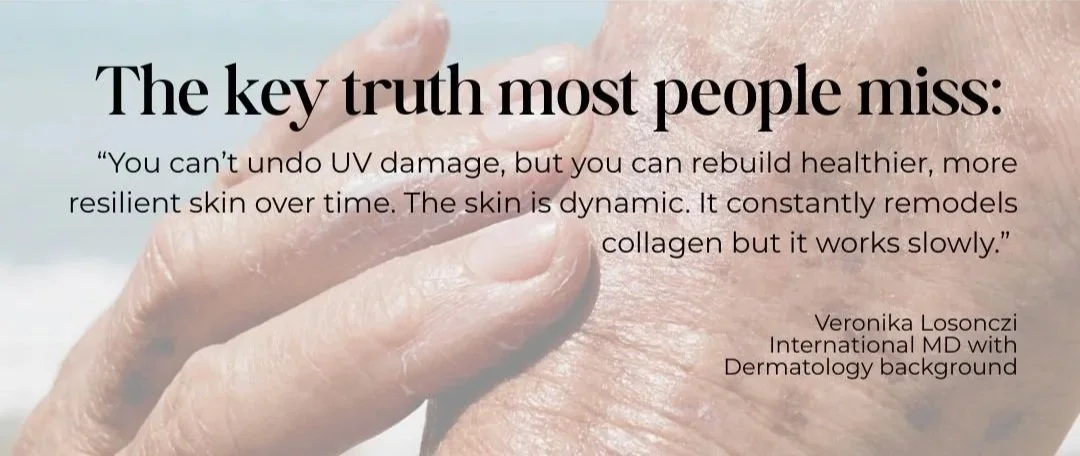
Most important step (and the one that matters most going forward)
Nothing “reverses” sun damage if UV exposure continues.
Daily broad-spectrum sunscreen (SPF 30+) is what:
Prevents further breakdown
Allows repair treatments to actually work
Preserves any improvements you make
Treatment Options for Sun-Damaged Skin
Everyone’s skin is different and so is their level of sun damage. There is no one-size-fits-all solution. The best approach is a professional consultation where we assess your skin, understand your history, and create a plan tailored specifically to you.
Some of the most effective treatments include:
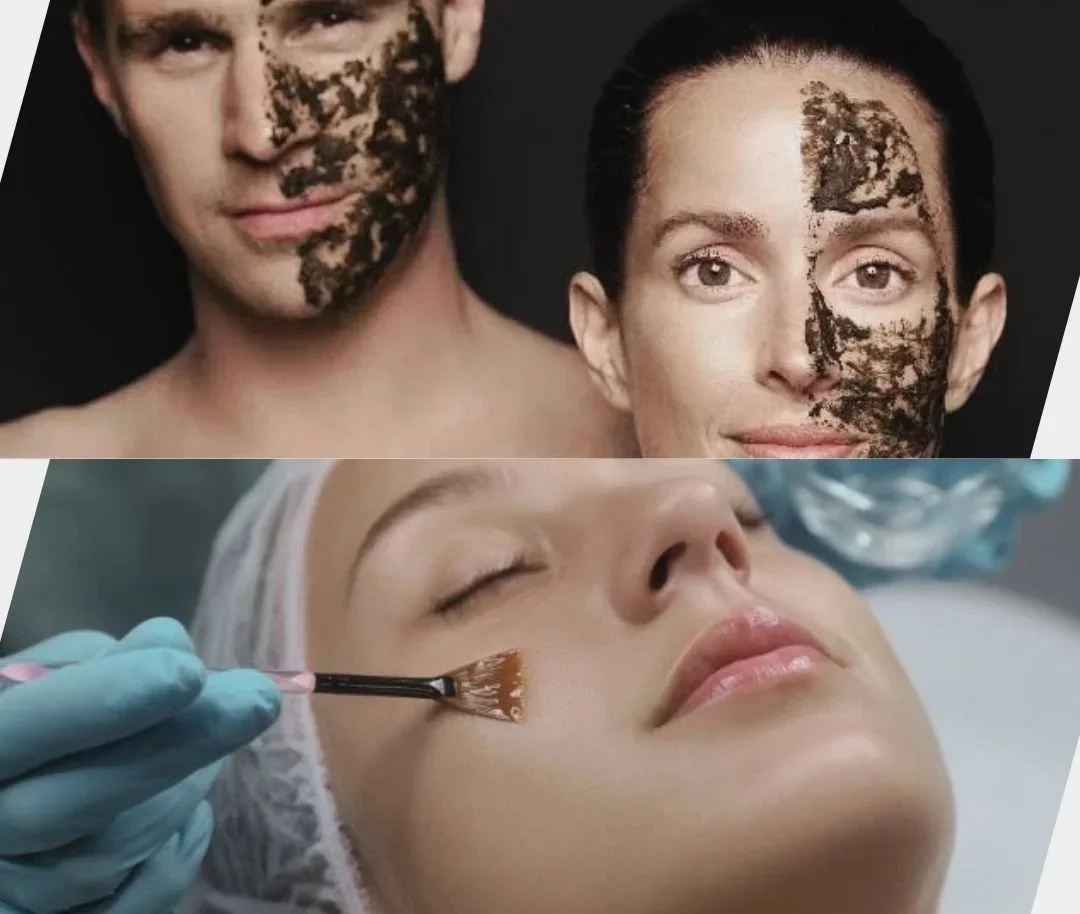
Chemical + Herbal Peels
Professional resurfacing treatments and bio-needling (Energy + Green Peel by Dr. Schrammek, Phytopeel using spongilla) to improve tone and texture.
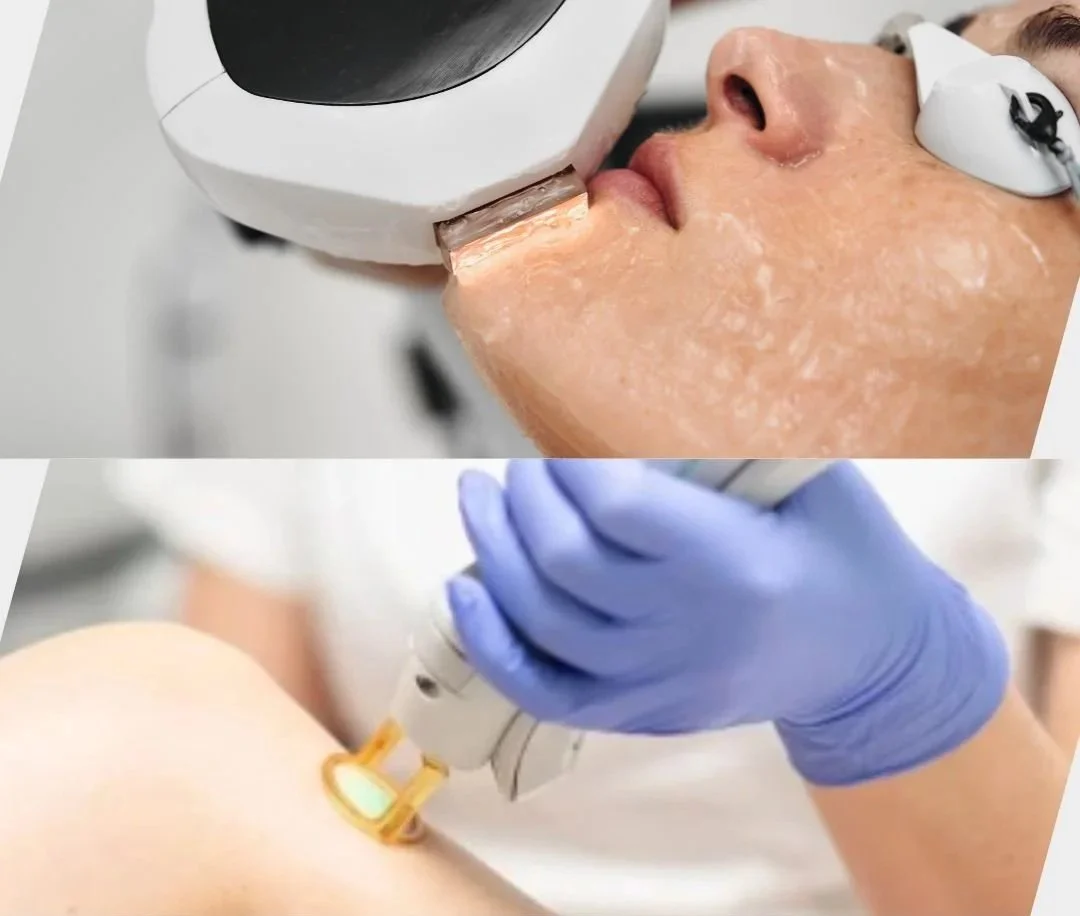
Light-Based Therapies
IPL and laser (GentleMax Pro and NeoElite) treatments target pigmentation + redness and stimulate collagen production.
Skincare Actives + Hydrators
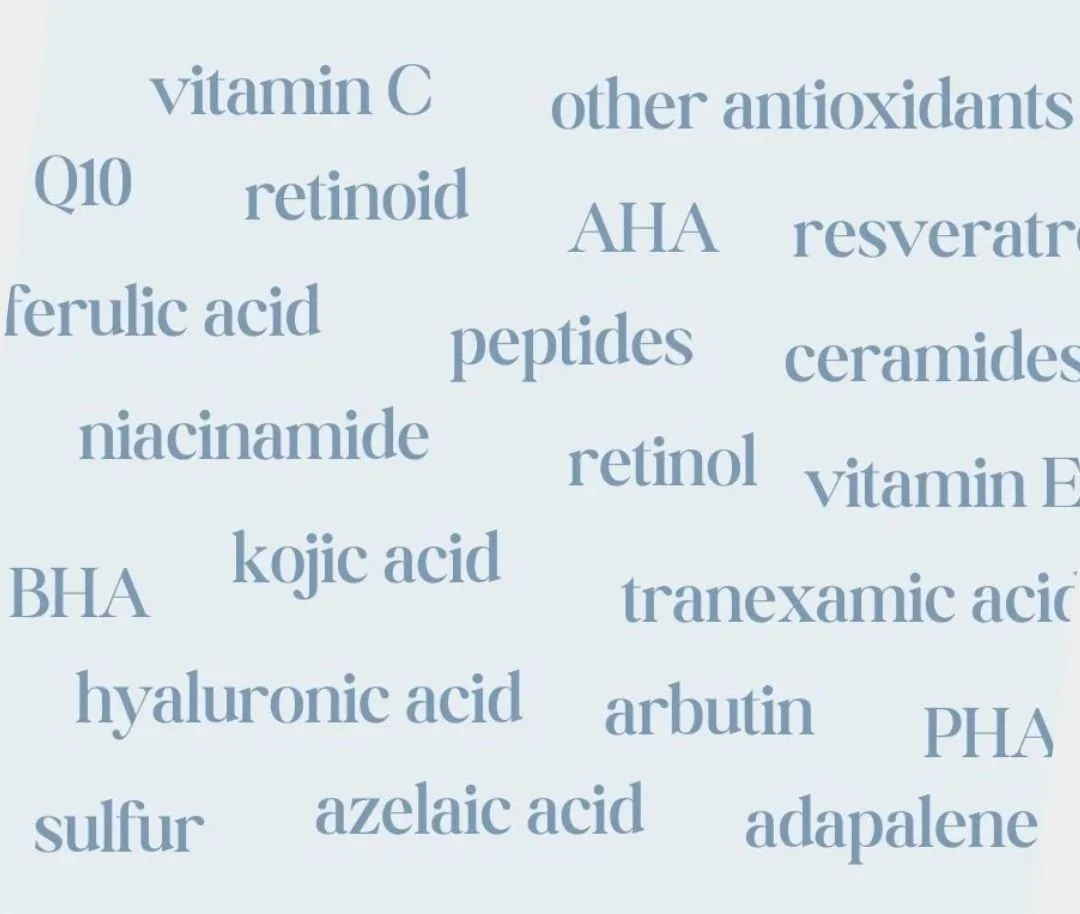
While ingredients like niacinamide, tranexamic acid, azelaic acid, and antioxidants play a key role in brightening, repairing, and protecting the skin at a cellular level, optimal results begin with restoring the skin barrier. Calming inflammation and ensuring adequate hydration are essential first steps before addressing targeted concerns. So facial treatments are cruicial prior and in-between cosmetic treatments for optimal outcome.

Written by
Veronika Losonczi, International MD with Dermatology background
Invest in Prevention
In-clinic treatments can deliver beautiful results, but their longevity depends heavily on how well the skin is protected afterward. Without proper sun care, results fade faster, and new damage can undo progress.
Sun protection isn’t just skincare, it’s self-care. It’s a commitment to preserving your skin’s health, confidence, and natural beauty over time.