
Your Skin’s Best Investment

Sun Protection: The Most Important Step in Your Skin Journey
When it comes to healthy, radiant skin, there’s one step that matters more than any serum, facial, or treatment: sun protection. It’s simple, often overlooked, and incredibly powerful. Whether it’s a bright summer day or a cloudy winter afternoon, protecting your skin from the sun is essential - not just for beauty, but for long-term skin health.
Did You Know?
Up to 80% of how we age is influenced by our daily habits and lifestyle. Healthy skin isn’t just about vanity; it’s a reflection of your values. It shows that you care. And why wouldn’t you? Your skin is your largest organ. Unlike hair, which can grow back after a bad haircut, damage to your skin can be long-lasting and sometimes permanent.
There is no such thing as a “Safe Tan”
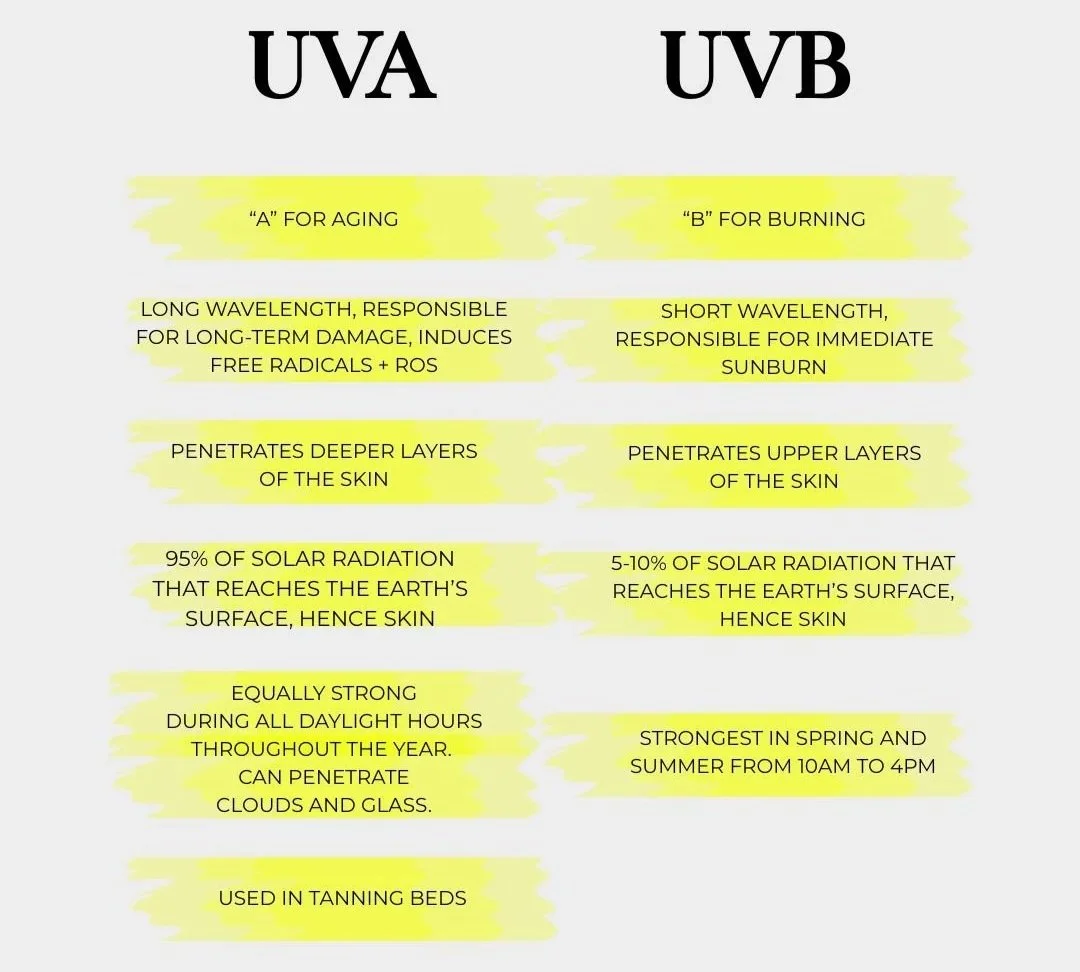
Summer exposure isn’t limited to UV intensity. Heat, light, and prolonged outdoor exposure increase cumulative stress on the skin. The sun emits ultraviolet (UV) radiation that penetrates the skin and causes damage at a cellular level. Over time, this exposure leads to premature aging, and an increased risk of skin cancer. In fact, up to 80–90% of visible skin aging is caused by sun exposure. This includes fine lines, wrinkles, uneven texture, and loss of elasticity.
A tan is a sign of skin injury. When your skin darkens, it’s responding to DNA damage caused by UV radiation. Your body is trying to protect itself, but the damage has already begun.
More Than Just Sunburn
Many people associate sun damage with sunburn, but the effects go far beyond that. Even without visible redness, UV rays can trigger:
Hyperpigmentation and dark spots
Breakdown of collagen and elastin
Increased sensitivity and inflammation
Worsening of conditions like rosacea
Daily, unprotected exposure quietly accelerates these changes, often showing up many years later.
What Sun Damage Really Looks Like
The Truck Driver
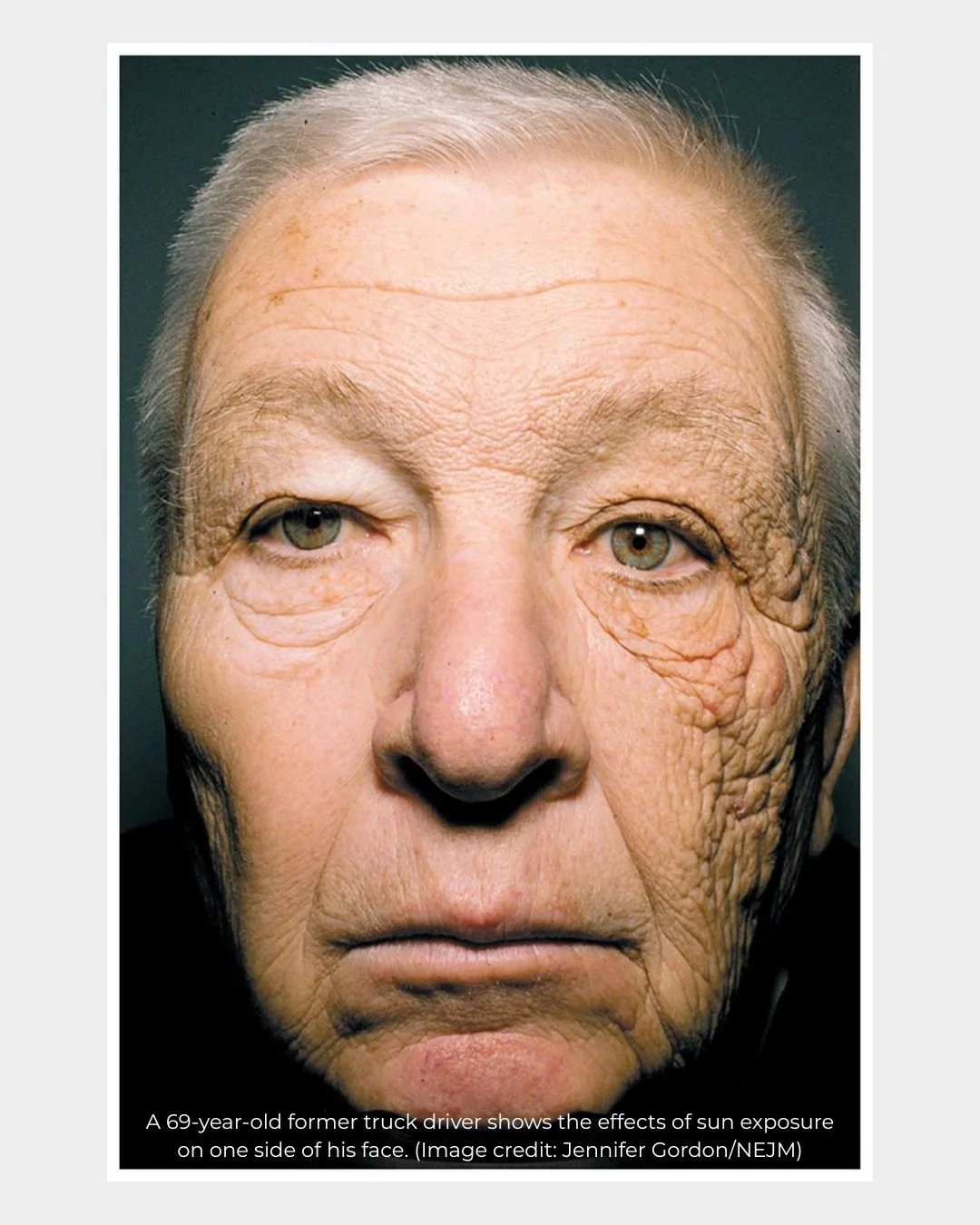
One of the most powerful visual examples of sun damage comes from a study published in the New England Journal of Medicine. A 69-year-old truck driver showed severe aging on only one side of his face. The side exposed to the sun through the window over 28 years. The other side remained significantly smoother and less damaged.
This condition is known as dermatoheliosis, or chronic sun damage. Over time, repeated UV exposure leads to elastosis - a thickening and breakdown of the skin’s elastic structure, resulting in deep wrinkles and a leathery texture.
Here’s what makes this even more important: UVA rays penetrate glass. They account for up to 95% of the UV radiation reaching the Earth and are present every single day, regardless of weather.
What You Can’t See, Can’t Hurt You?
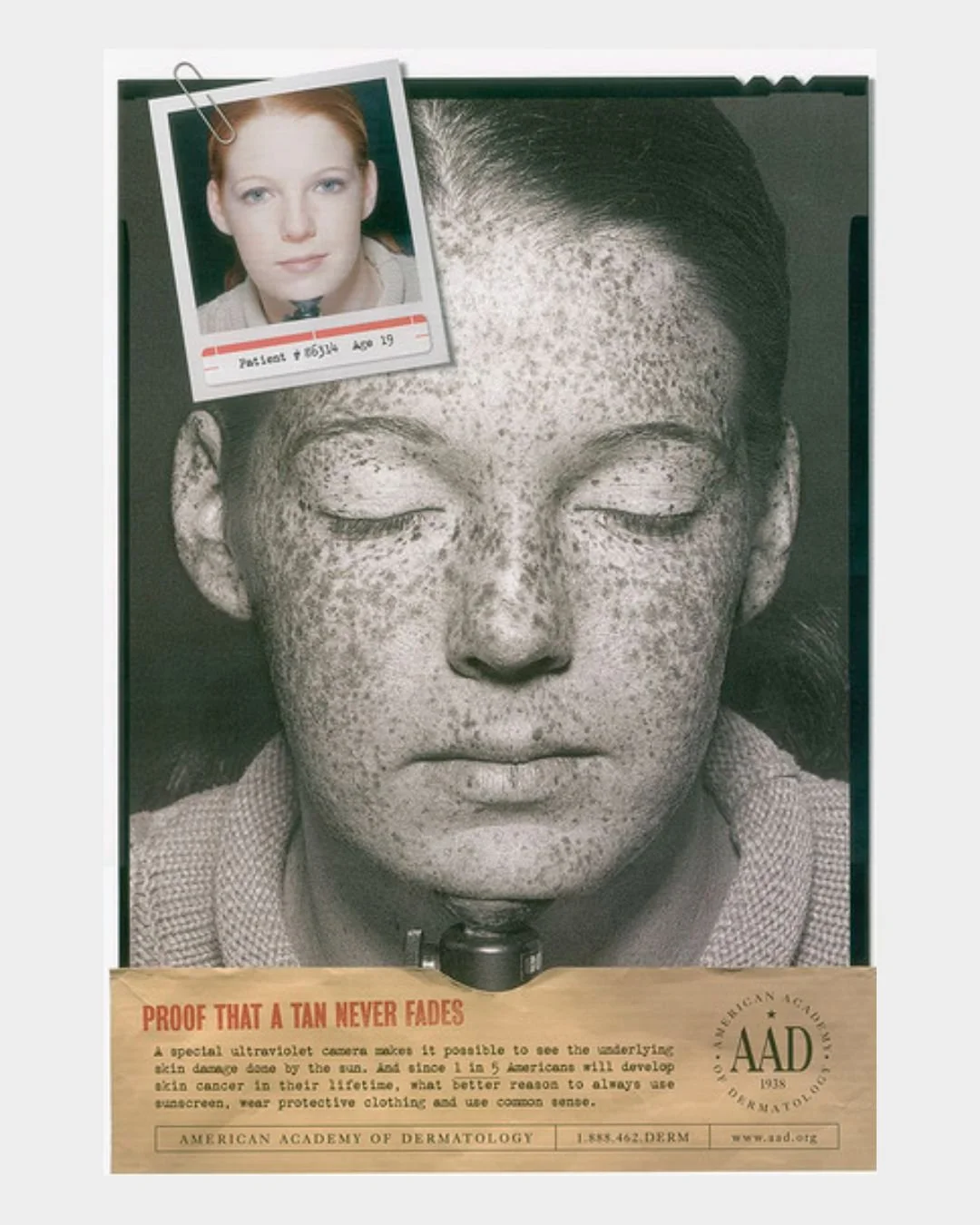
This ultraviolet imaging reveals something most people underestimate: Sun damage starts long before it becomes visible. Even in young skin, underlying pigmentation, uneven tone, and UV-induced changes are already forming beneath the surface. Just because you don’t see damage today doesn’t mean it isn’t there.
The photo above provided by the American Academy of Dermatology, uses a specialized ultraviolet camera to uncover the hidden sun damage already present in the skin of a 19-year-old woman. Don’t miss this powerful video as well, where people come face-to-face with the true extent of their own unseen sun damage.
A Lifetime Exposure
Your skin is made up of several key structural components, including collagen, elastin, and hydration-supporting molecules that keep it smooth, firm, and resilient.
- Collagen provides strength and support
- Elastin allows skin to stretch and bounce back
- Water content (hyaluronic acid and lipids) keeps the skin plump and supple
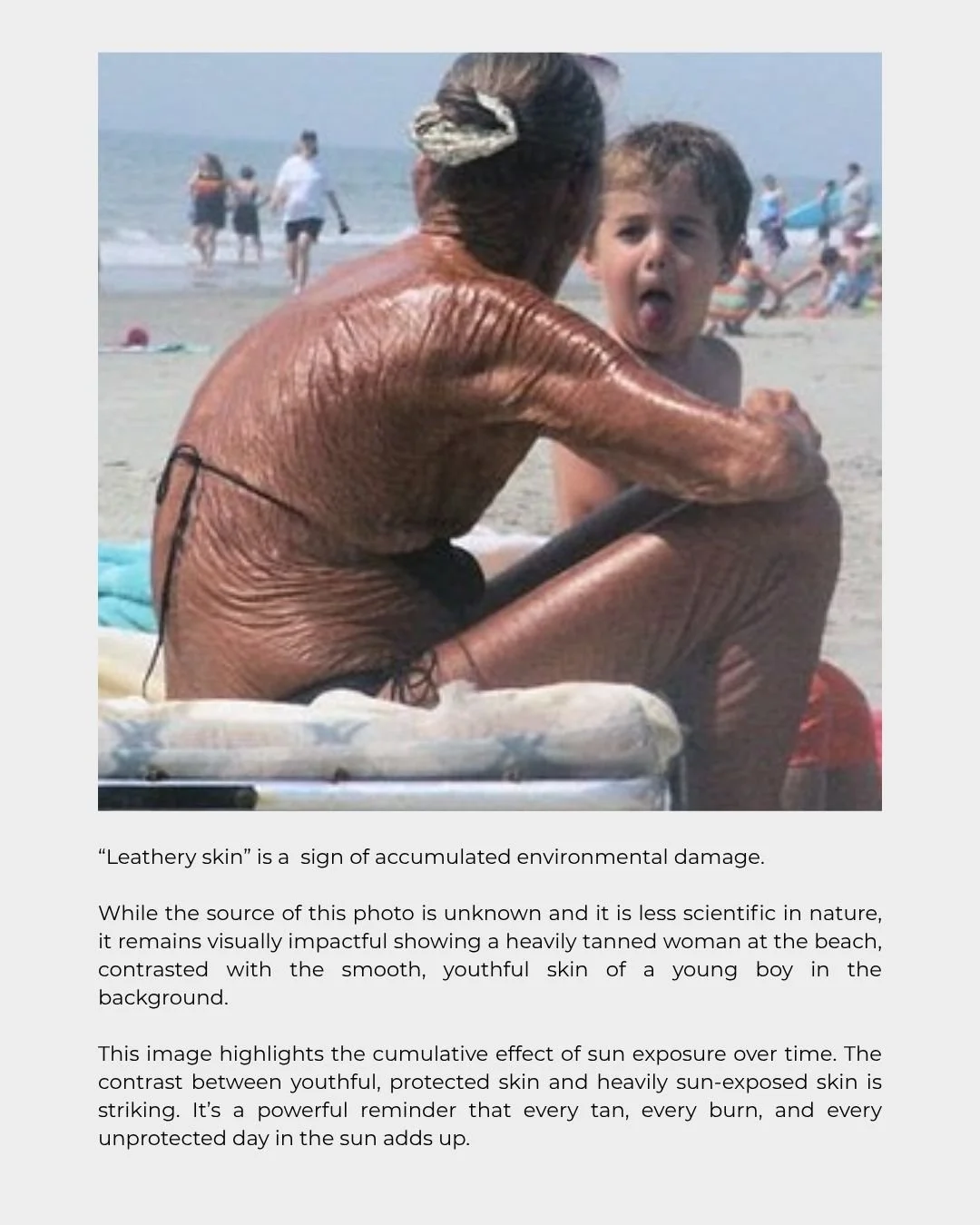
When the skin is repeatedly exposed to UV radiation -especially UVA rays that penetrate deep into the dermis - it triggers a chain reaction of damage. It breaks down collagen fibers faster than the body can rebuild them; it damages elastin, causing it to become thick, disorganized, and dysfunctional; it creates oxidative stress, which accelerates cellular aging; it weakens the skin barrier, leading to dryness and dehydration. Over time, the skin loses its natural structure and elasticity. Instead of smooth, flexible tissue, it becomes stiff, rough, deeply wrinkled, and uneven in texture, what we recognize as a leathery appearance (known as solar elastosis).

Why Sunscreen Matters
(Every Single Day, All Year Long)
One of the biggest misconceptions is that sunscreen is only necessary on sunny days or during vacations. In reality, UV rays are present year-round and UVA can penetrate clouds and even glass. That means your skin is exposed during everyday activities like driving, walking, or sitting near a window. The best way to prevent sun-related damage - including premature aging and skin cancer - is daily sunscreen use. Think of it as your skin’s daily shield.
Look for
SPF 30 or higher but don’t be fooled by a High Sun Protection Factor (SPF): When it comes to sunscreen, higher SPF numbers can be misleading. Many people assume that SPF 50 offers dramatically more protection than SPF 30, but the difference is actually quite small. SPF 30 blocks about 97% of UVB rays, while SPF 50 blocks around 98%. That 1% difference often gives a false sense of security, leading people to apply less sunscreen or stay in the sun longer than they should. In fact, regulators have noted that very high SPF values can be inherently misleading for this reason. Dermatologists consistently recommend SPF 30 or higher—not because higher SPFs are harmful, but because proper application, reapplication, and broad-spectrum protection matter far more than chasing higher numbers.
Broad-spectrum protection (UVA + UVB)
A Well-Rounded Approach includes
Reapplication: Every 2 hours when outdoors, or more frequently if sweating
Protective clothing: Hats, sunglasses, and long sleeves when possible
Seeking shade: Especially during peak hours (10 AM – 4 PM)
Consistency is key. Even the best treatments cannot undo ongoing sun damage if protection isn’t part of your routine.
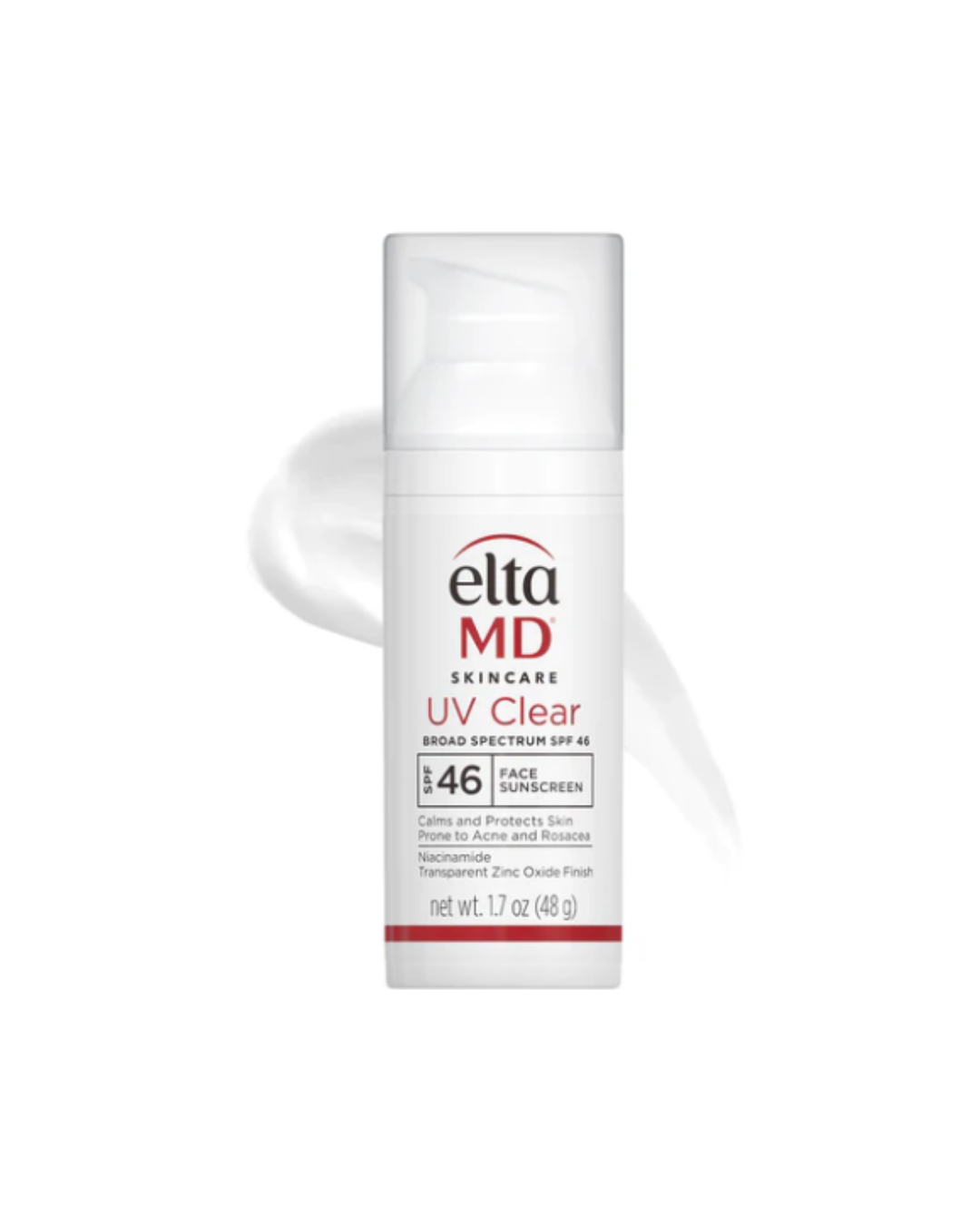
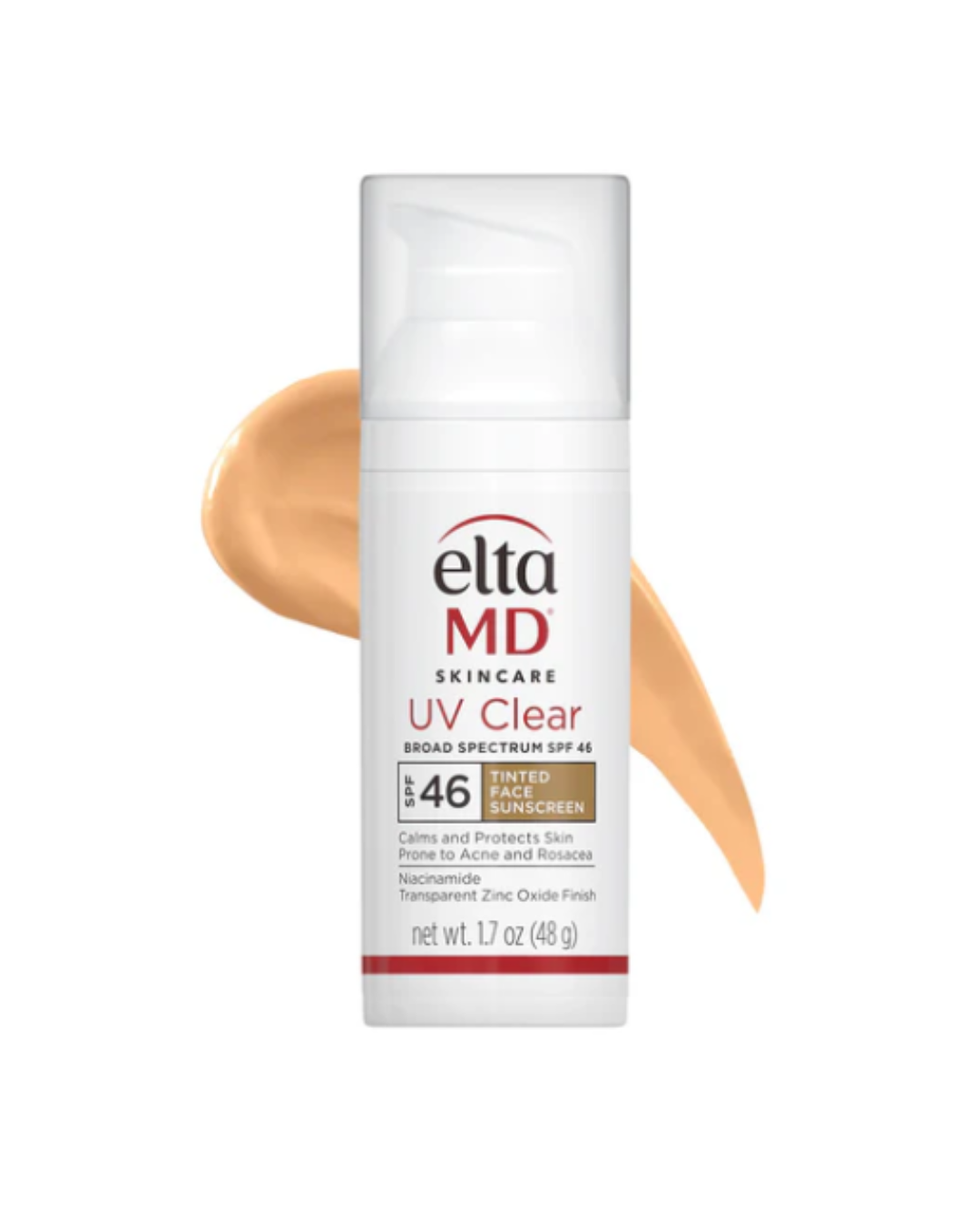
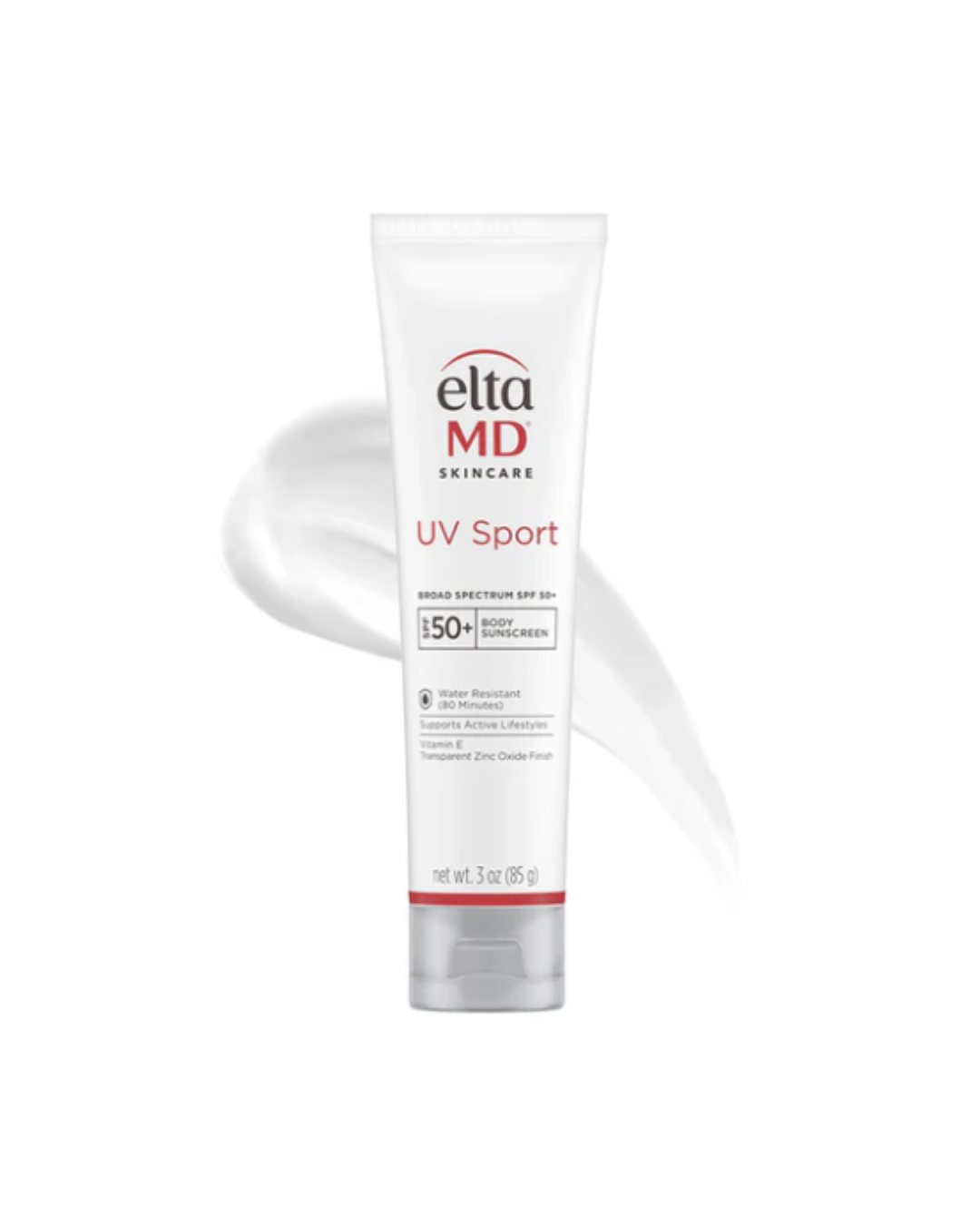
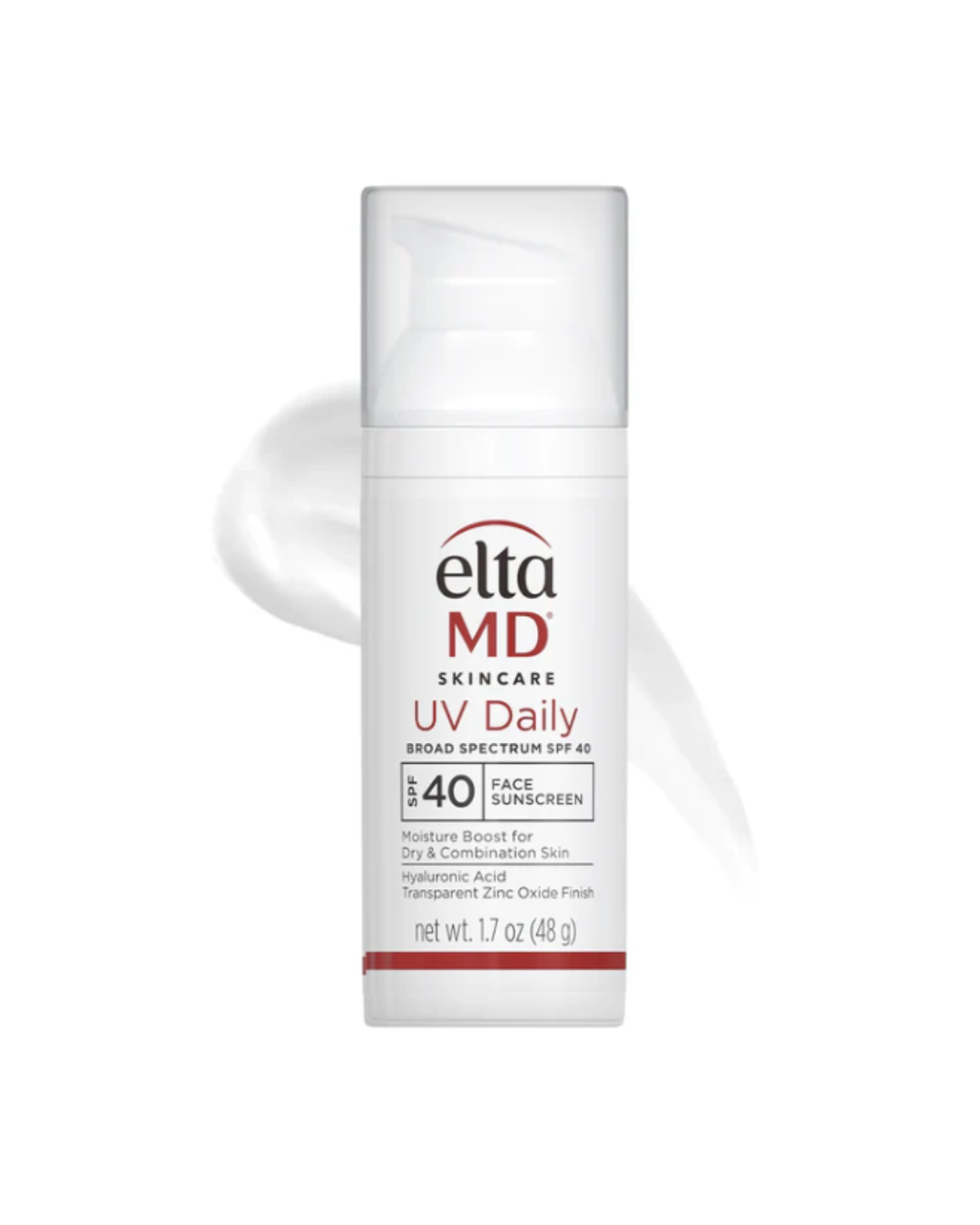
Sunscreen, Your Way: Because the Right One Makes All the Difference
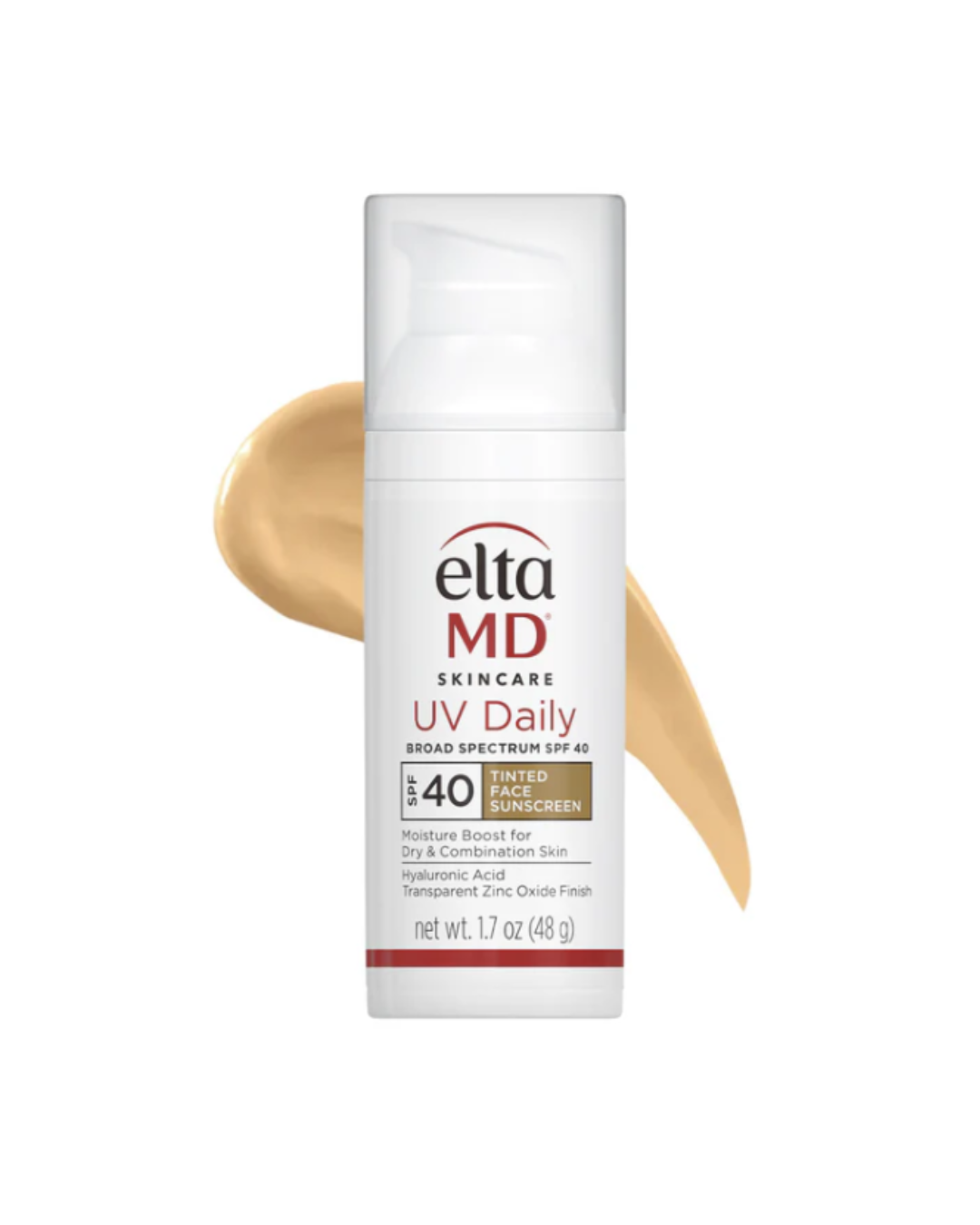
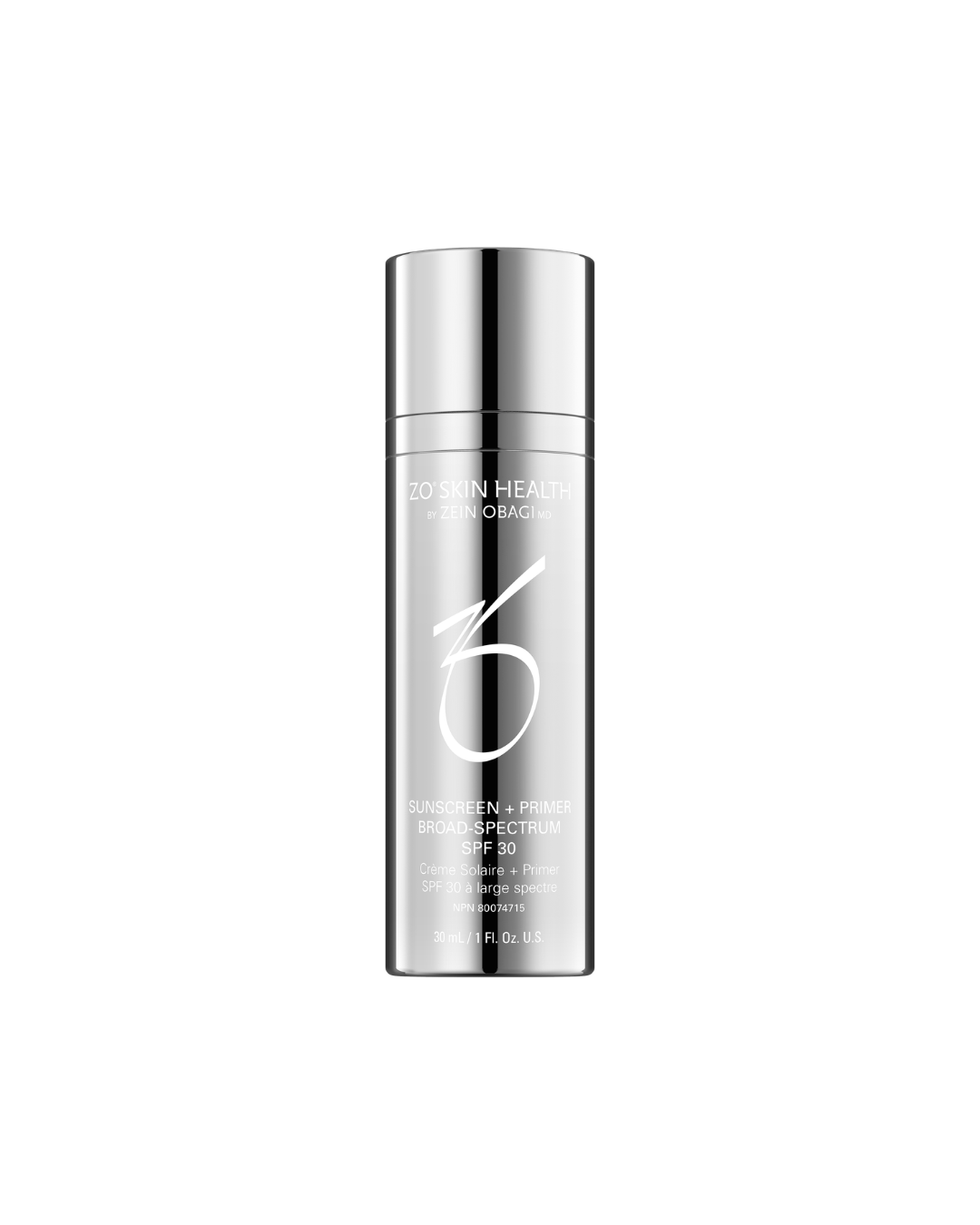
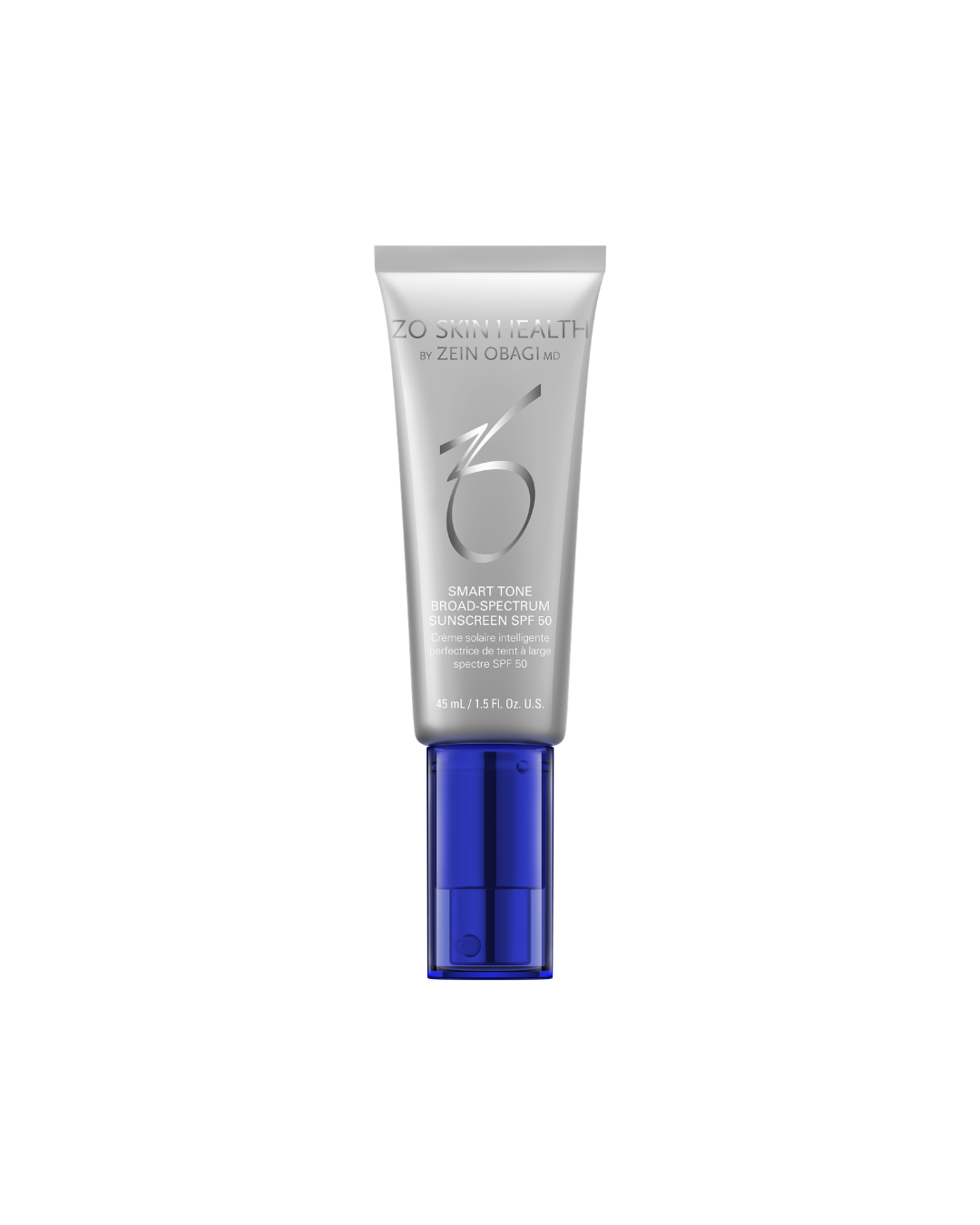
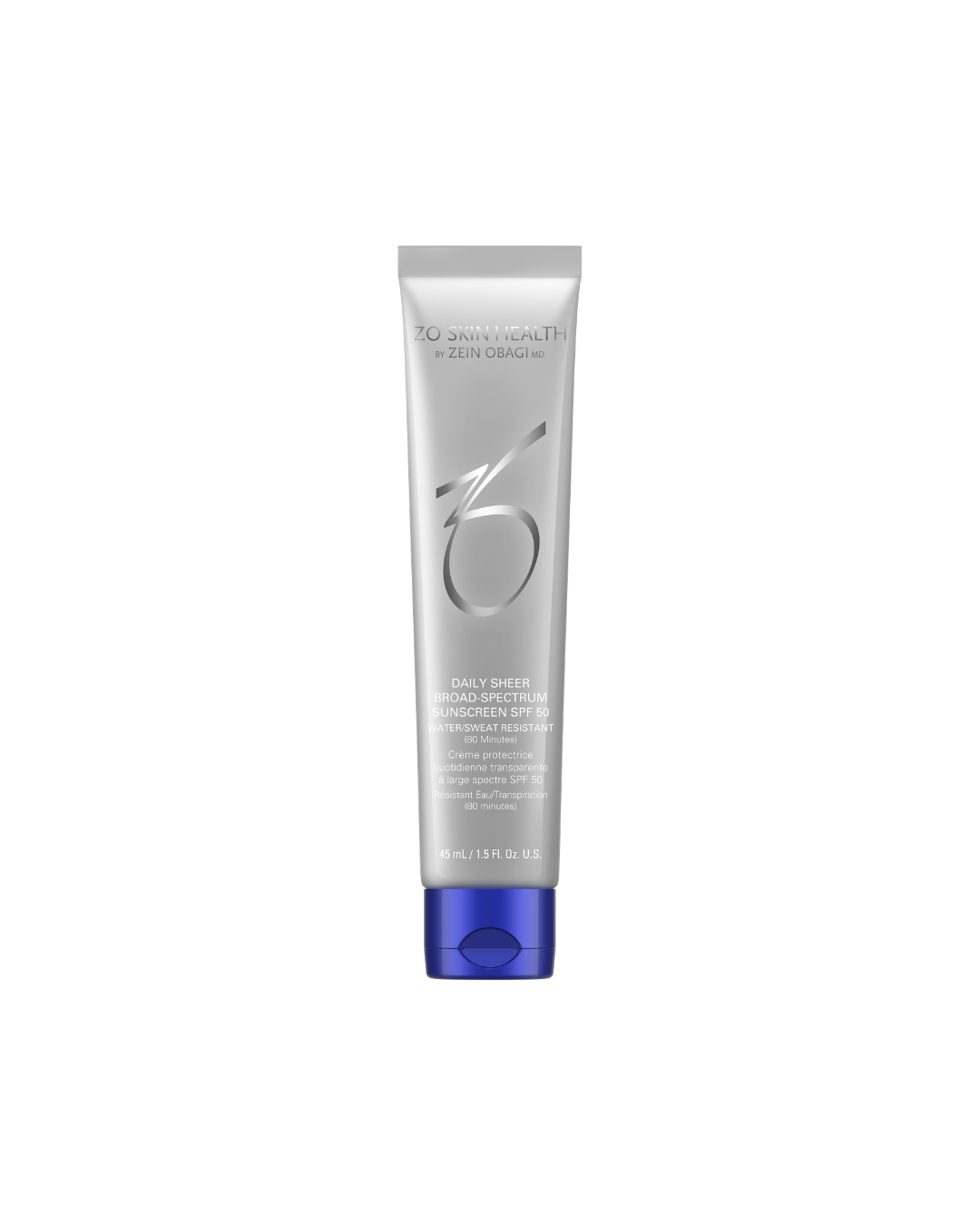
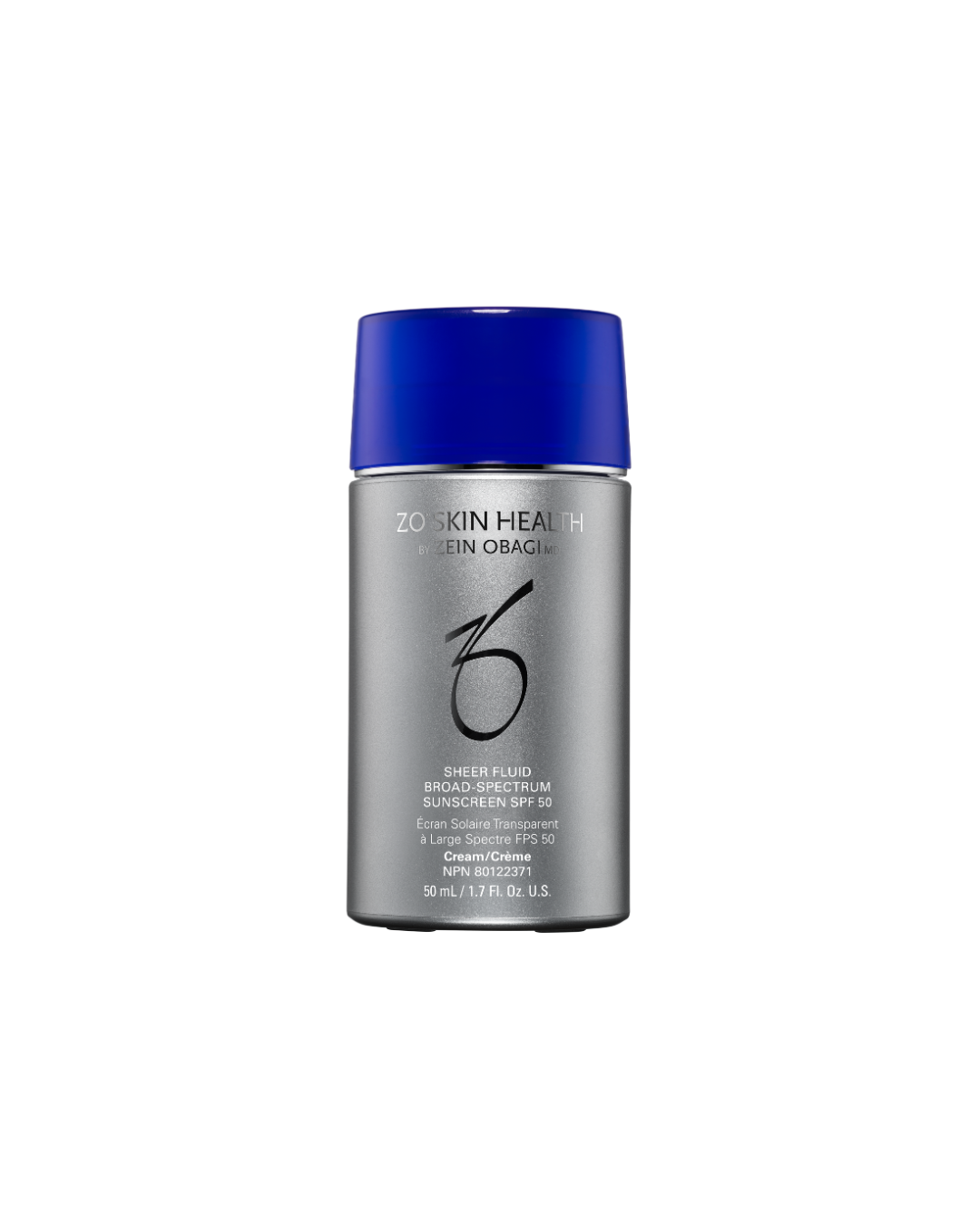
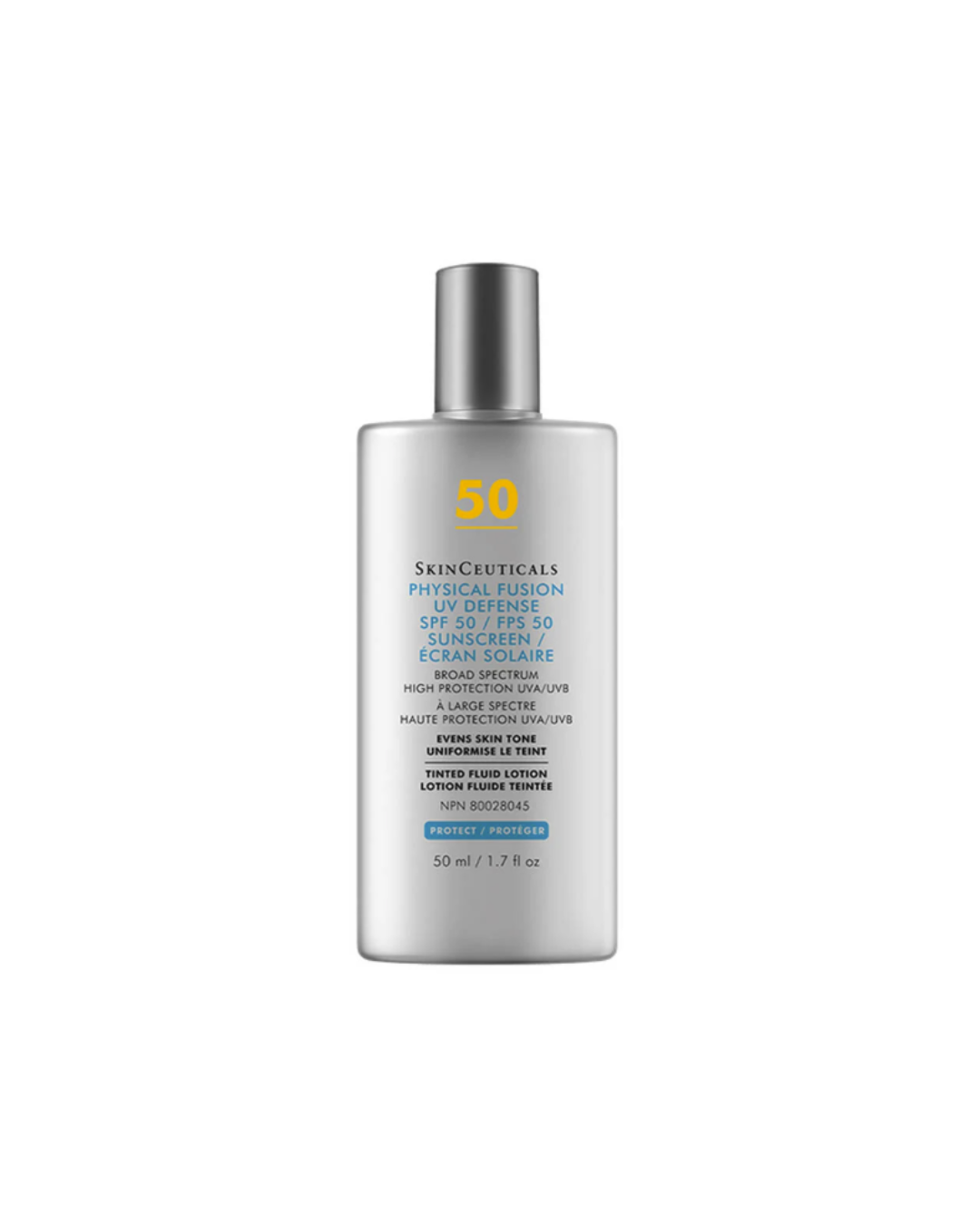
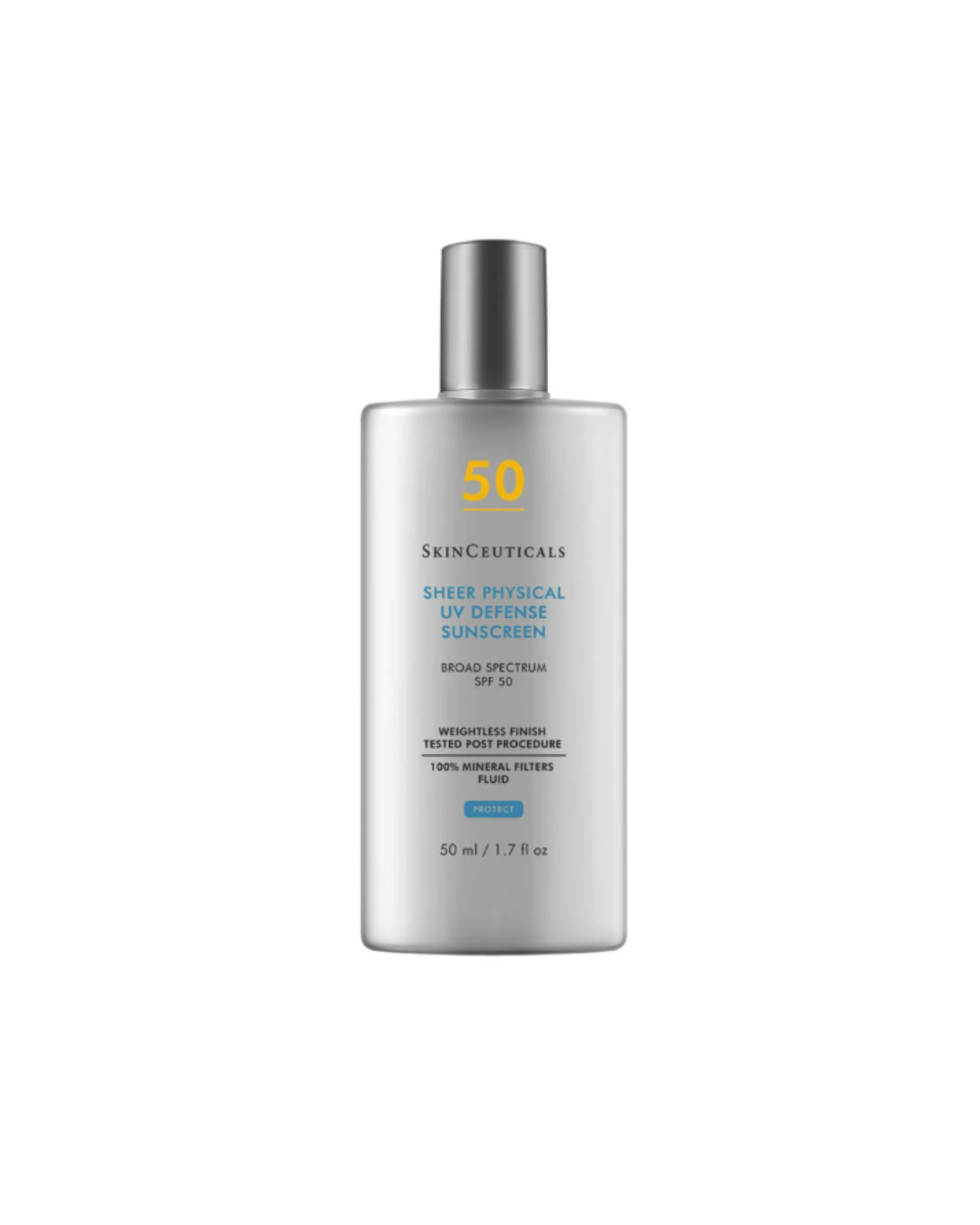
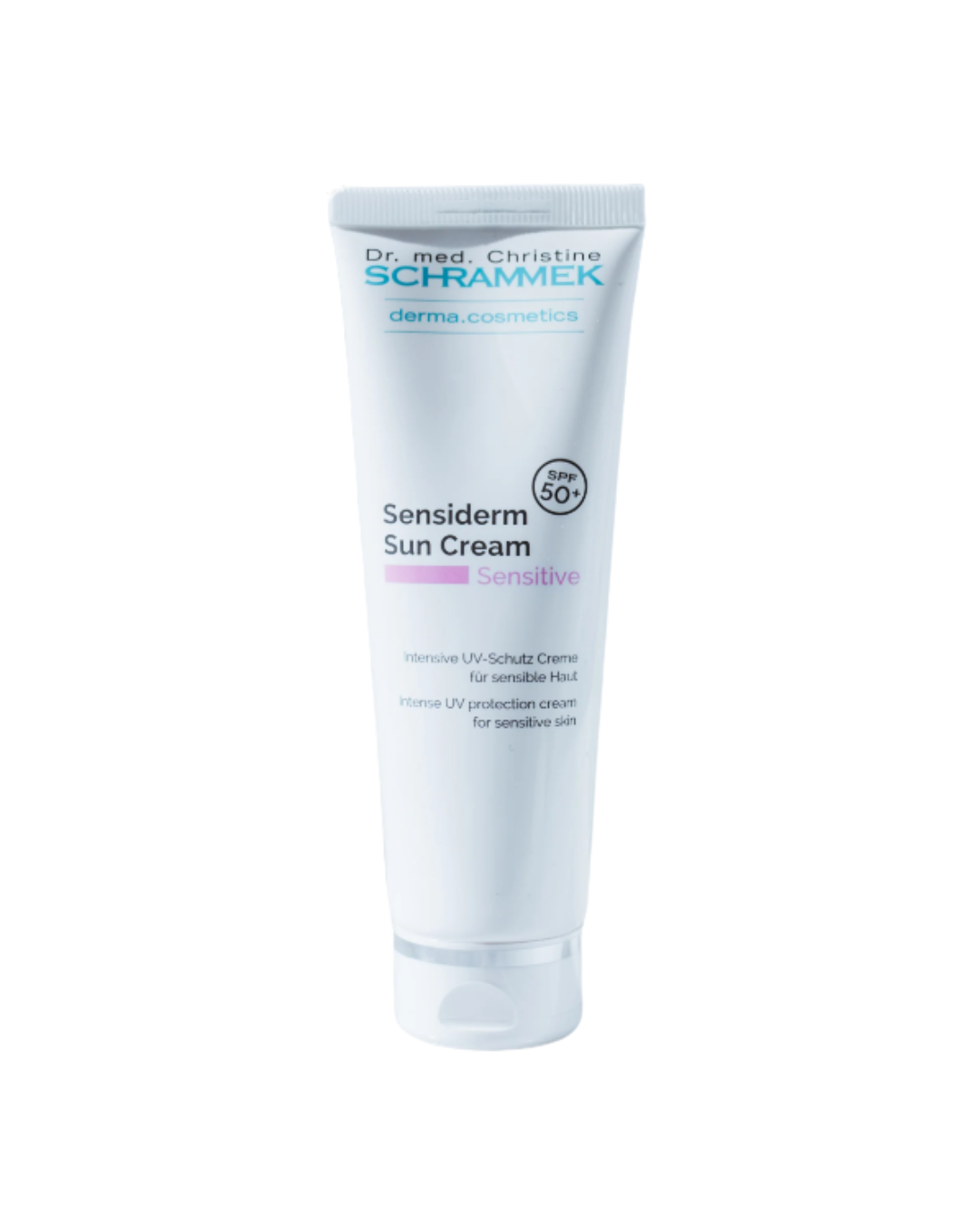
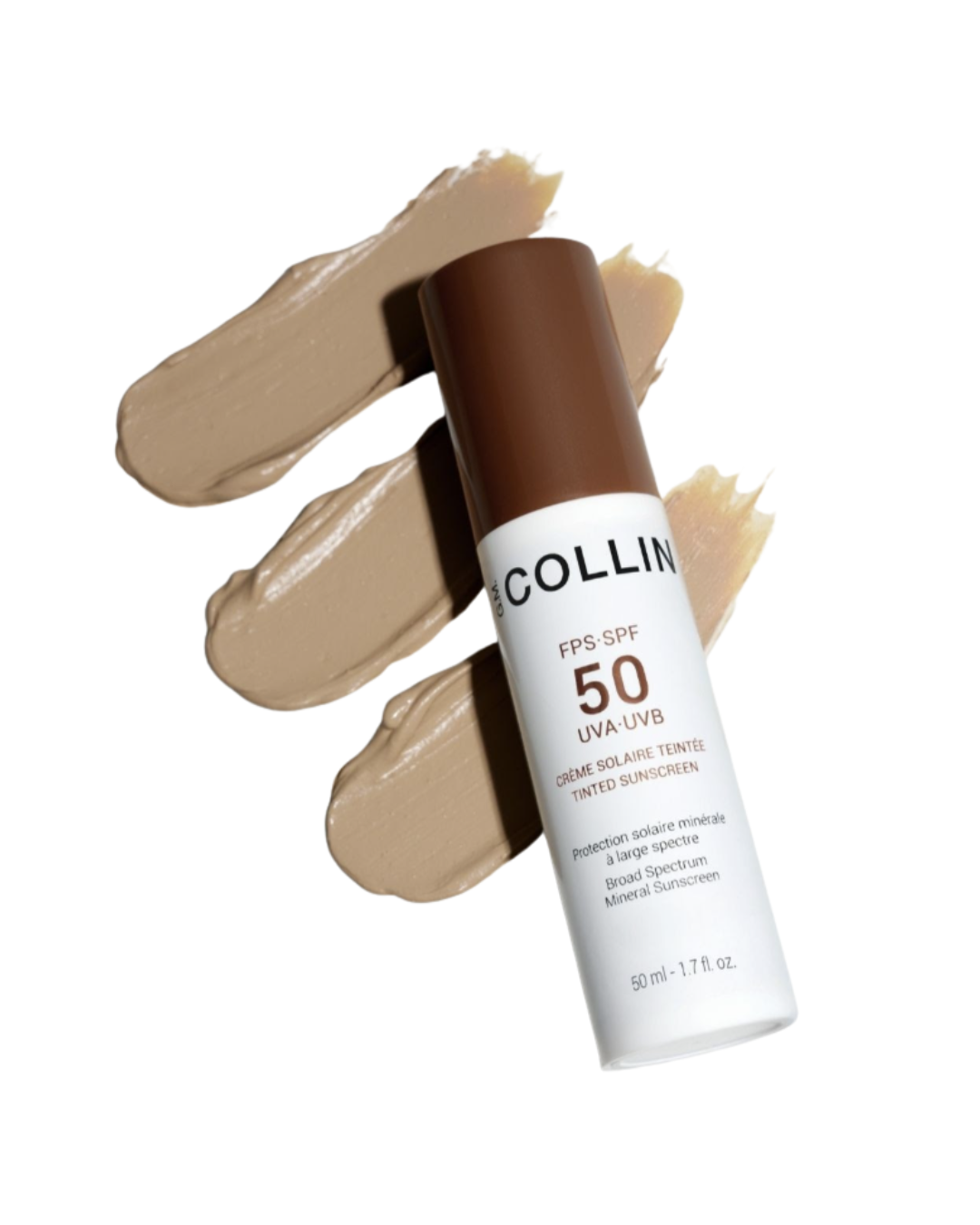
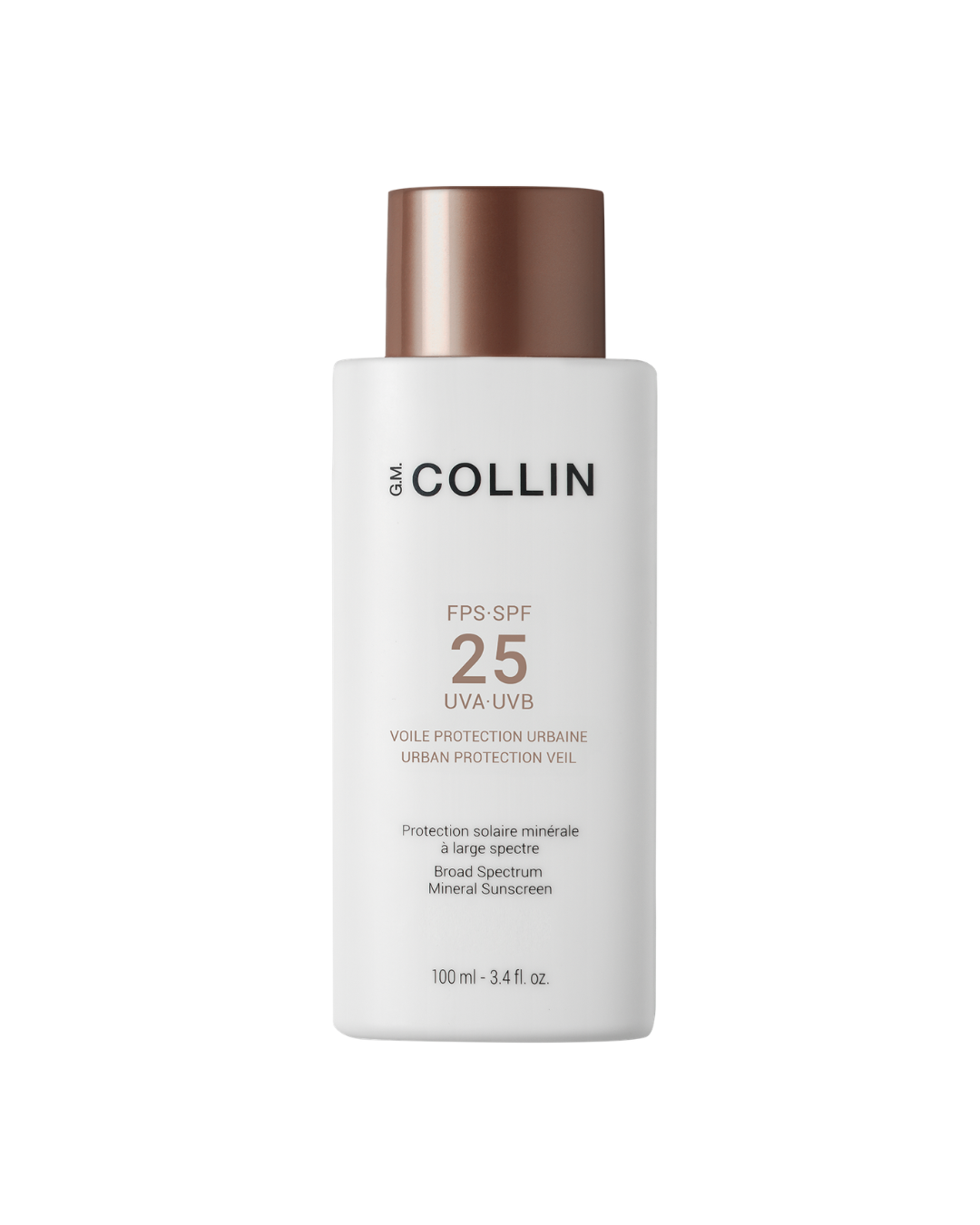
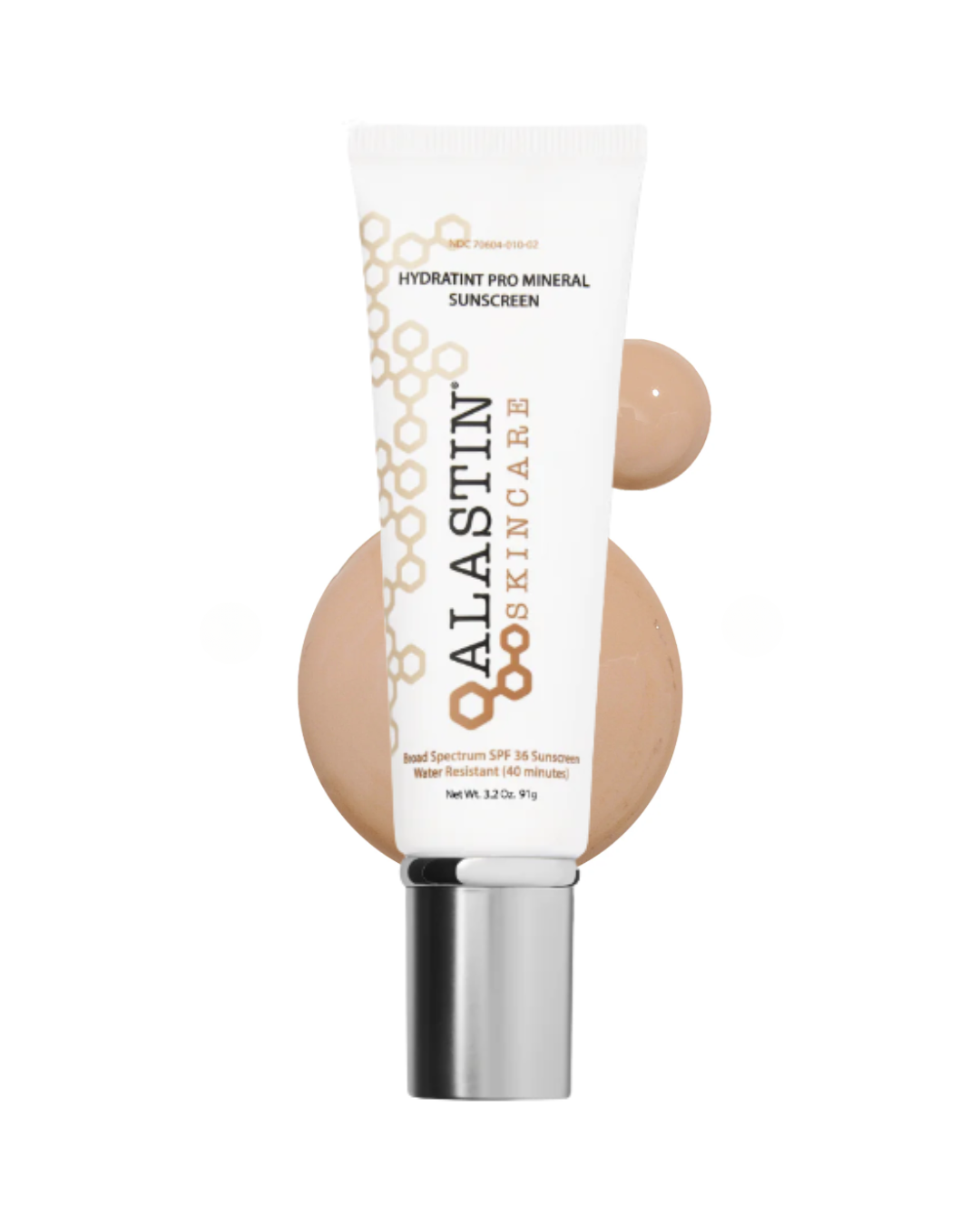
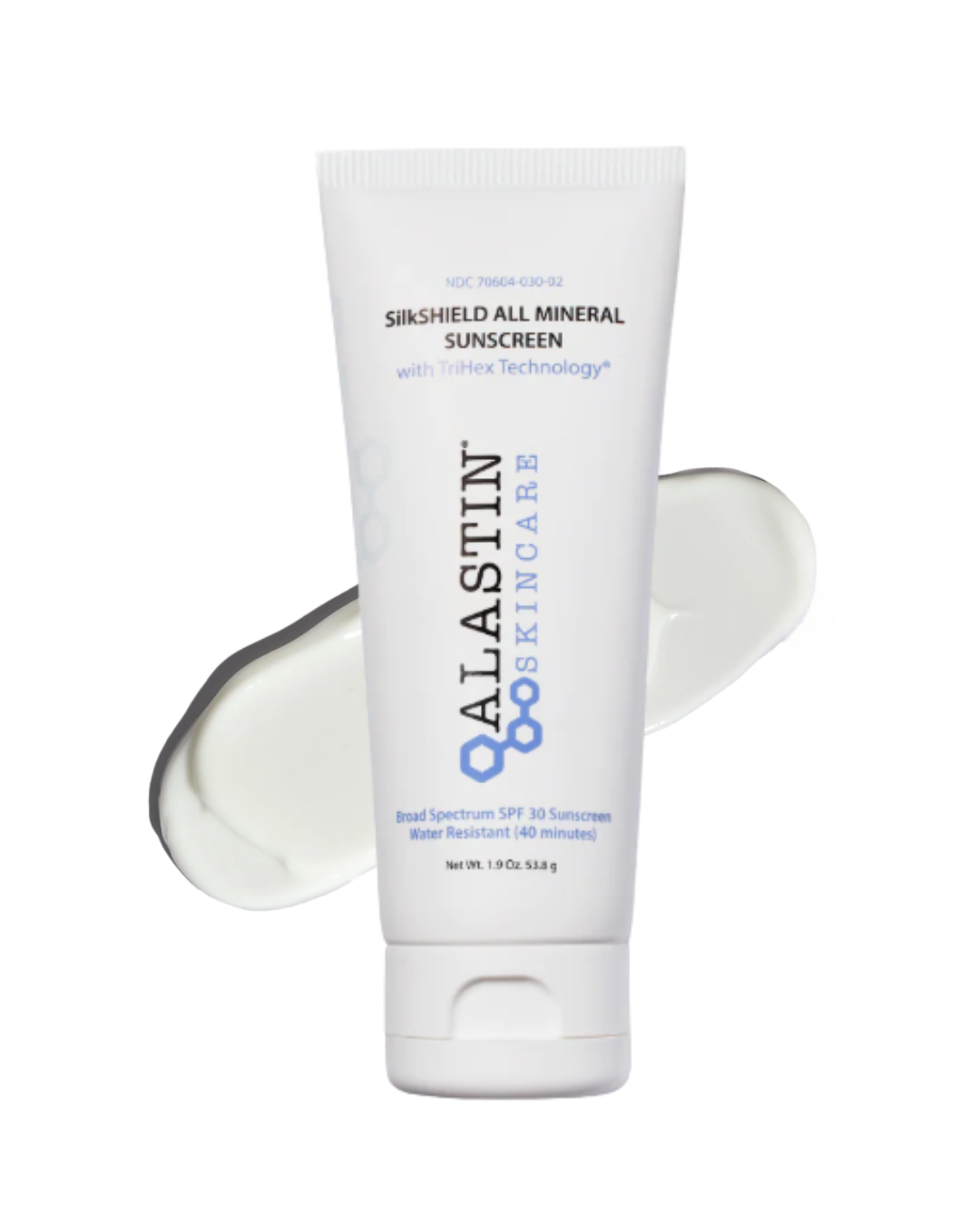
We proudly offer a curated selection of sunscreens for a simple reason: consistency starts with the right sunscreen. Having options isn’t a luxury, it’s essential. Your skin is one of a kind, so your sunscreen should be too.
Final Thoughts
The “Wear Sunscreen or Not?” Debate: If the images and evidence above don’t convince you, it’s worth asking: what will?
Sun protection is not a trend. It’s science-backed, preventative care. Choosing not to wear sunscreen is a decision to allow cumulative damage to continue. You don’t need perfect skin. No one is perfect. But you do need protected skin. Because in the end, the most powerful skincare product you will ever us is the one that prevents the damage in the first place. It’s never too late to start, so start today + stay consistent!

Written by
Veronika Losonczi, International MD with Dermatology background