
Regular Microneedling vs. RF Microneedling: How Do You Choose?

Needling,
with Intention
When it comes to improving the appearance and quality of your skin, microneedling has become one of the most popular treatments for supporting collagen production, improving texture and creating healthier-looking skin.
But today, there is more than one type of needling available.
You may have heard of traditional microneedling and RF microneedling and wondered: What is the difference? Is RF microneedling better? Do I need one or the other — or could both have a place in my skincare journey? The answer depends on your skin, your concerns and, most importantly, what you are hoping to achieve. Let's break it down.
First, What Does Microneedling Actually Do?
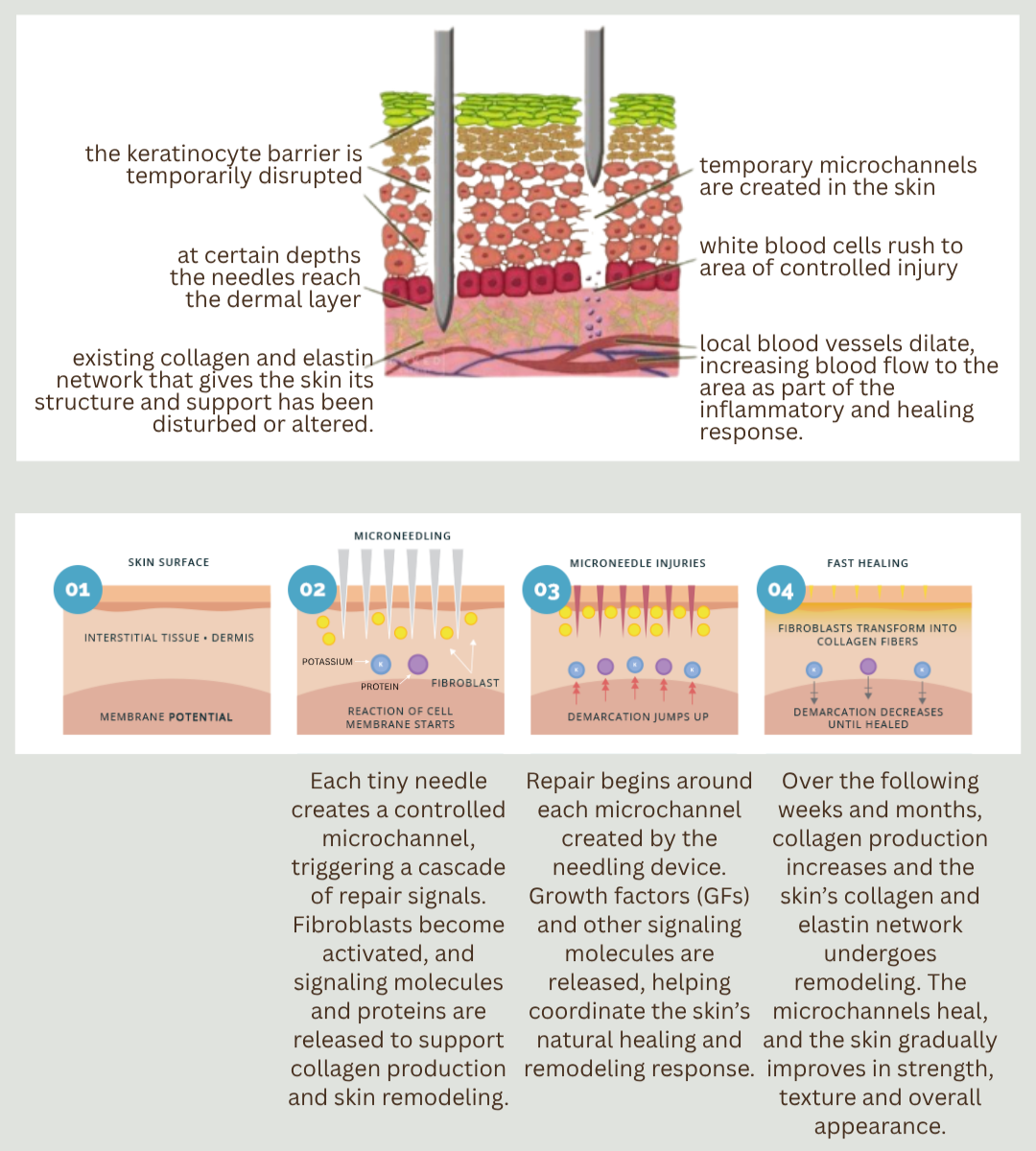
Both traditional microneedling and RF microneedling work by creating controlled microchannels in the skin using very fine needles. These controlled micro-injuries stimulate the skin's natural repair process and encourage the production of collagen and elastin — two essential components responsible for keeping skin looking firm, smooth and resilient.
Over time, microneedling can help improve: fine lines and early signs of aging, uneven skin texture, enlarged pores, acne scarring, certain other scars, stretch marks, overall skin quality and smoothness, mild loss of firmness, dull or tired-looking skin.
However, while both treatments use needles, the way they stimulate the skin is different.
Precision, Not Aggression
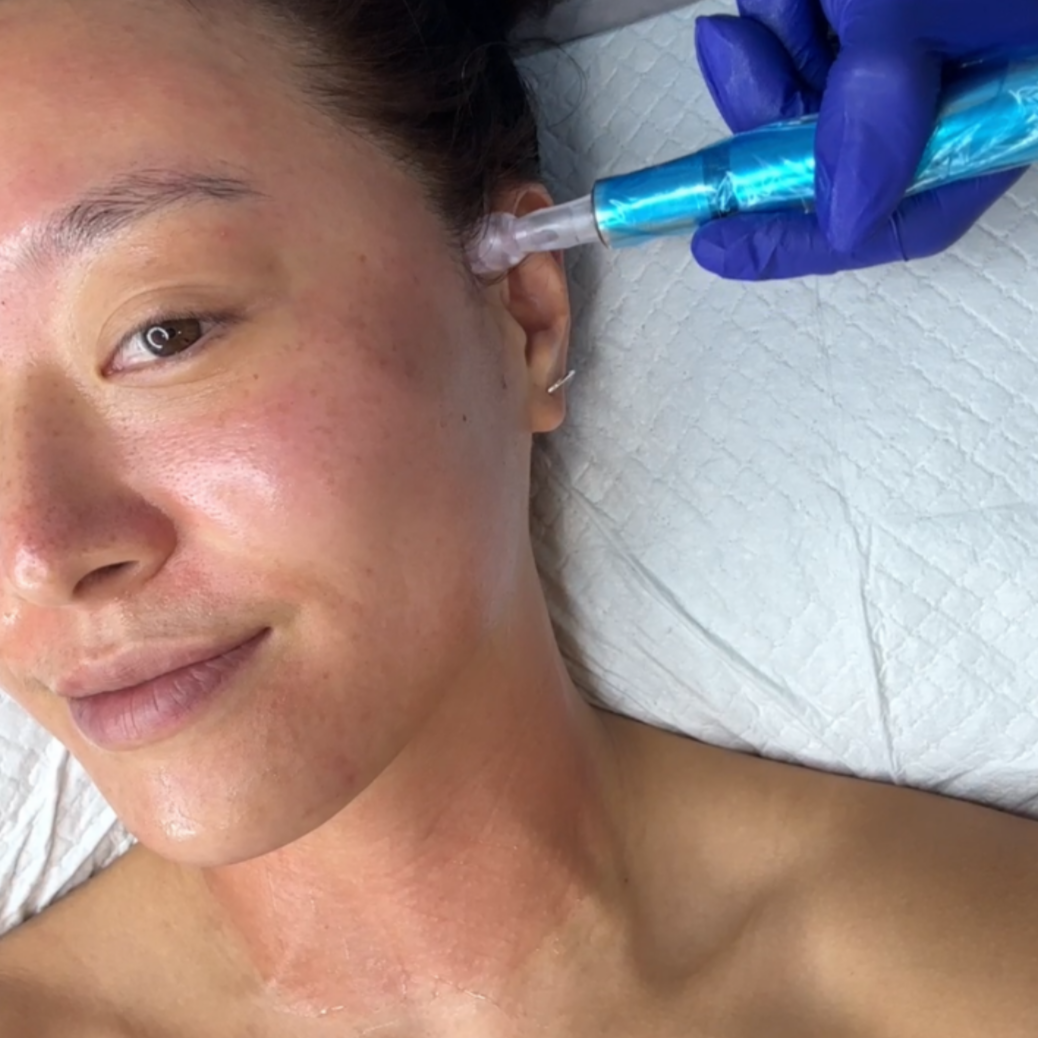
The goal of microneedling is not to create as much inflammation as possible. It is to create the right amount of controlled inflammation to initiate the skin’s natural repair and remodeling process.
Some redness after treatment is a normal and expected sign that the skin’s healing response has been activated. But more redness, more bleeding or a more dramatic-looking treatment does not necessarily mean better results.
We don't need to make your skin bloody or leave you looking in the mirror thinking, “OMG, what did we do?”
Precision is about knowing how much stimulation the skin needs—and stopping there. Because when it comes to needling, believe me, more is not merrier.
Traditional Microneedling: Building Better Skin From the Inside Out
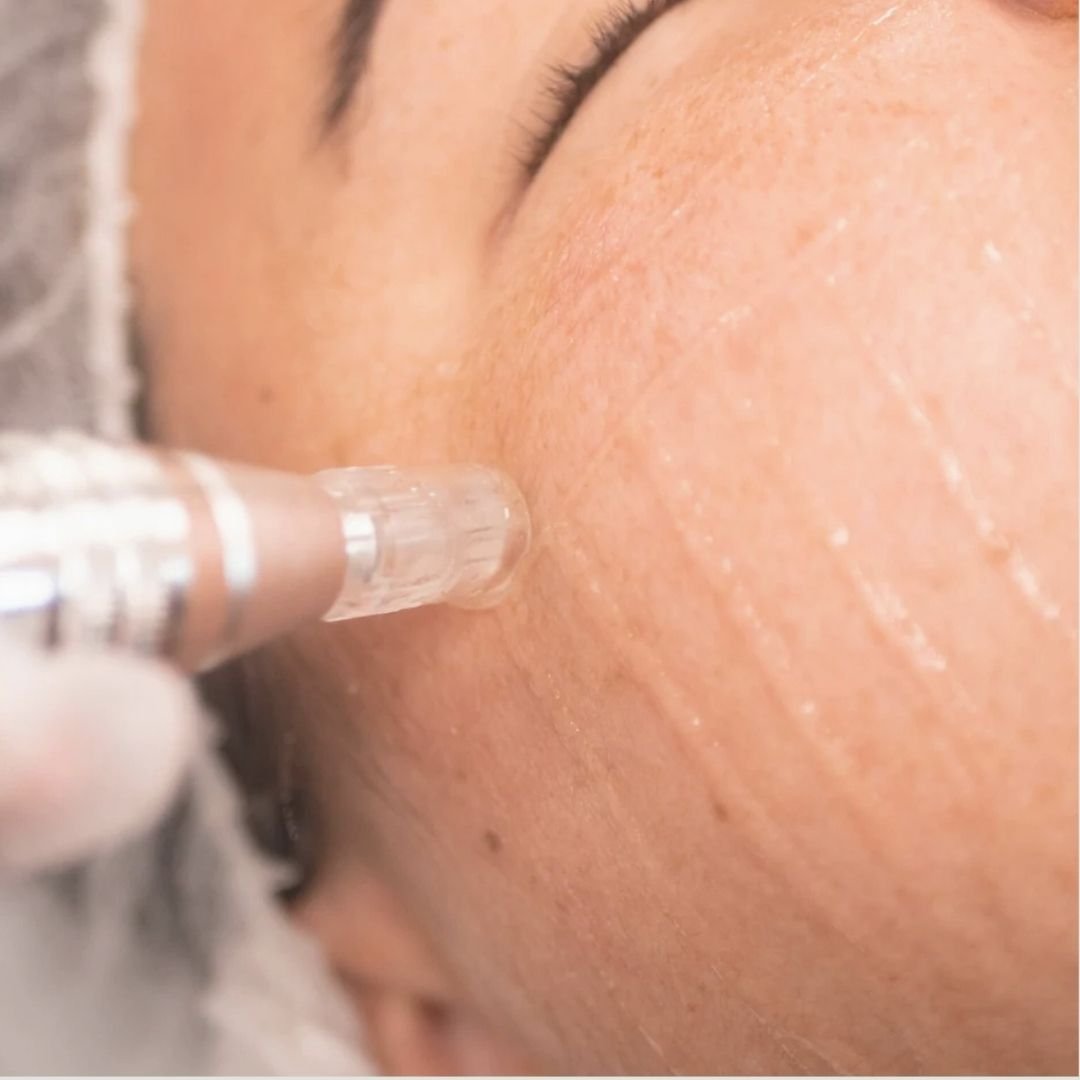
Traditional microneedling relies primarily on the mechanical stimulation created by the needles themselves. Tiny microchannels are created at a selected depth, triggering the skin's natural wound-healing response. This process encourages collagen production and cellular renewal while also allowing the skin to better absorb selected topical products used during treatment.
RF Microneedling: Adding Radiofrequency to the Equation
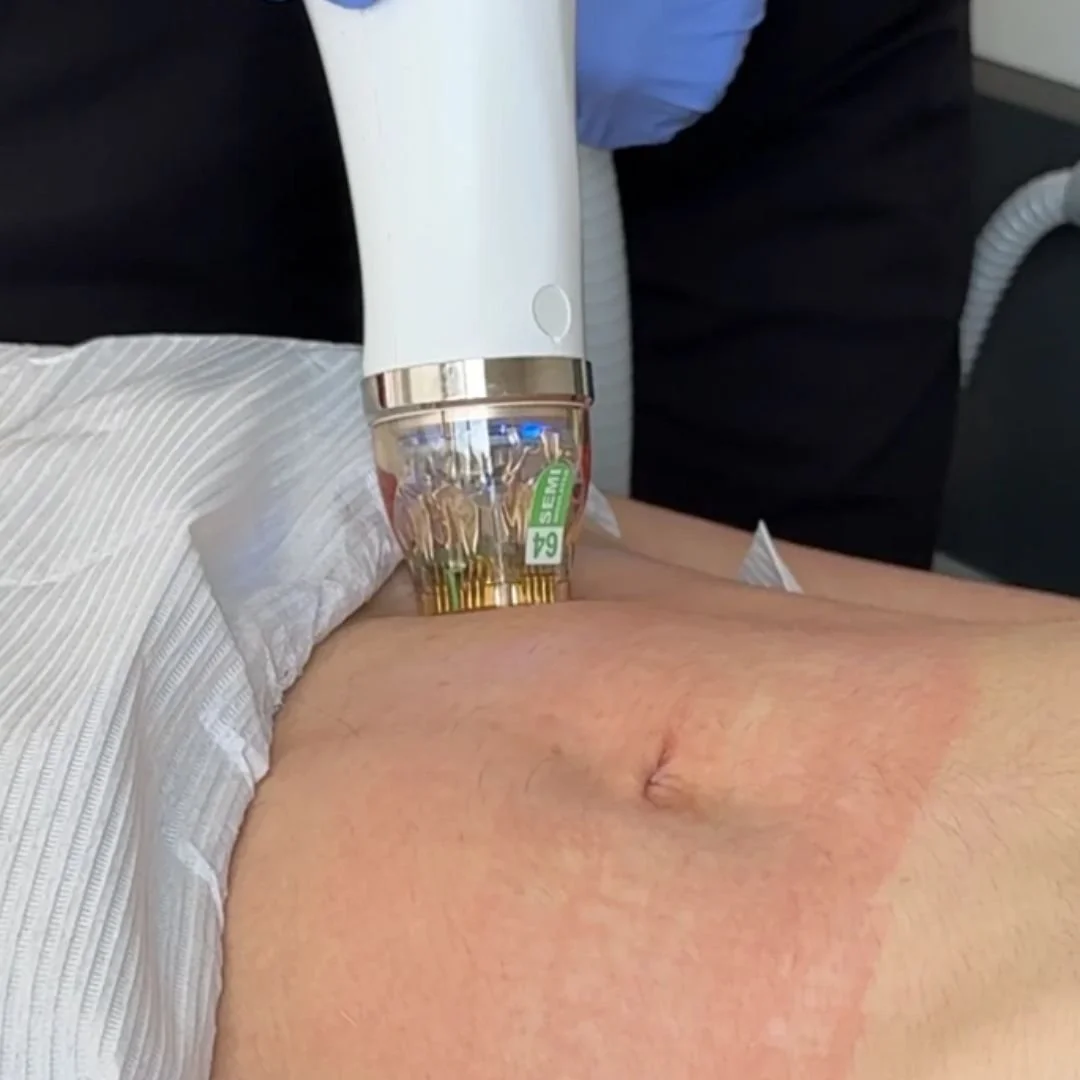
RF microneedling takes traditional microneedling one step further. Just like regular microneedling, fine needles create controlled microchannels in the skin. However, RF microneedling also delivers radiofrequency energy into targeted layers of the skin. This energy creates controlled heat beneath the skin's surface. Why does this matter? Heat can provide an additional stimulus for collagen remodeling and tissue tightening. While traditional microneedling primarily creates a mechanical stimulus, RF microneedling combines: mechanical stimulation + controlled radiofrequency energy. This makes RF microneedling particularly interesting for concerns related not only to skin texture, but also to skin laxity and deeper collagen remodeling.
Traditional microneedling may be a great choice if your goal is:
Improving overall skin texture
Supporting collagen production
Refining pores
Softening fine lines
Improving the appearance of certain scars
Creating healthier, smoother-looking skin
Maintaining results as part of a long-term skin program
Think of traditional microneedling as a treatment that supports skin longevity — helping to improve the quality, strength and structure of the skin over time. It can be an excellent choice for someone who is beginning their collagen-stimulation journey or for those who do not necessarily require the additional thermal stimulation provided by RF technology.
RF microneedling may be a better choice if your primary concerns include:
Skin laxity or loss of firmness
More pronounced lines and wrinkles
Acne scarring, stretch marks
Textural concerns that require more intensive remodeling
Early sagging
Crepey-looking skin
Areas such as the face, neck, décolleté or body where collagen stimulation and tightening are desired
In simple terms, if traditional microneedling focuses on skin quality, RF microneedling can provide a more intensive approach to skin quality plus firming and remodeling.
The Benefits of Skin Needling
One of the greatest advantages of skin needling is its versatility. Treatment depth, technique and intensity can be tailored to the area being treated, the condition of the skin and the concern being addressed. Whether traditional or RF microneedling is selected, the goal is to create a controlled stimulus that encourages the skin’s natural repair and remodeling processes. Skin needling can be incorporated into a long-term skin strategy and, when appropriate, combined with other professional treatments to address different aspects of skin health.
For many clients, skin needling is not about one dramatic treatment. It is about consistency, patience and progressive remodeling. Over time, a thoughtfully planned series of treatments can support skin that looks stronger, smoother, firmer and more refined.


So... Is RF Microneedling Better?
Not necessarily.
This is one of the biggest misconceptions we see. RF microneedling is a more advanced technology, but that does not automatically mean that it is the right treatment for every skin concern or every client. Sometimes, regular microneedling is exactly what the skin needs. For example, someone whose primary concerns are enlarged pores, mild texture irregularities or early fine lines may achieve beautiful results with traditional microneedling. On the other hand, someone experiencing visible loss of firmness, deeper wrinkles or more significant acne scarring may benefit from the additional collagen remodeling created with RF microneedling.
The question should not be: "Which treatment is better?"
Instead, ask: "Which treatment is better for my skin and my goals right now?"
A Simple Way to Think About the Difference
Choose Traditional Microneedling When You Want To:
Refine. Refresh. Strengthen. Maintain.
Traditional microneedling can be an excellent choice for improving overall skin quality and supporting long-term collagen production.
Consider RF Microneedling When You Want To:
Firm. Remodel. Tighten. Treat deeper concerns.
RF microneedling may be more appropriate when skin laxity, deeper lines, scarring or more significant textural concerns are part of the picture.
When Should You Start With Regular Microneedling?
RF microneedling isn't simply "better" microneedling. It is microneedling plus controlled radiofrequency energy, which introduces an additional thermal component to the treatment. That added heat can be very beneficial when the goal is deeper collagen remodeling, skin tightening or addressing certain textural concerns. But, as with any advanced treatment, the condition of your skin matters.

Hydration Is Part of the Foundation
Before introducing an energy-based treatment, we want your skin to be in a healthy, well-supported state. If your skin is noticeably dehydrated, dry, reactive or your skin barrier needs some extra attention, traditional microneedling may be the better place to begin. You are still creating controlled micro-injuries that stimulate the skin's natural repair process and encourage collagen remodeling — but without adding the thermal component of RF. Think of it as progressive skin remodeling with a little more respect for what your skin is ready for today. As your skin becomes better hydrated, more resilient and better supported by your home-care routine, your treatment plan can evolve. RF microneedling may become an appropriate next step when your skin —and your goals— call for it.

What About Sensitive or Inflammatory Skin?
If your skin is experiencing active inflammation, significant sensitivity or a compromised barrier, adding heat may not be the right starting point. Conditions such as active eczema or other inflammatory dermatoses should be controlled before undergoing RF microneedling. And when there is significant redness, reactive skin or fragile capillaries, your skin should be assessed carefully before deciding whether a heat-based treatment is appropriate. This doesn't mean that RF microneedling is automatically off the table forever. It means we treat the skin in front of us — not just the concern we want to correct.

And If You Swim Frequently?
Keep swimming! We are not taking away your favourite exercise. But frequent exposure to chlorinated water can contribute to dryness or irritation in some skin types, particularly when the skin barrier is already struggling. If you are a frequent swimmer and your skin tends to feel dry, tight or reactive, traditional microneedling may be a sensible place to begin while you focus on hydration and barrier support. Once your skin becomes more resilient, your treatment plan can be reassessed.

The Bottom Line: Hydration First, Treatment Second
Whether you choose traditional microneedling or RF microneedling, the quality of the skin you are treating matters. There is no prize for choosing the most aggressive treatment first. Sometimes the smartest approach is to begin with traditional microneedling, strengthen and hydrate the skin, and gradually introduce more advanced technology when it makes sense. Your skin doesn't need more treatment. It needs the right treatment, at the right time.
What About Downtime?
Downtime can vary depending on the treatment, treatment depth, intensity and individual skin response. Both traditional and RF microneedling may cause temporary redness, sensitivity and mild swelling. Because RF microneedling is a more intensive treatment, recovery and visible skin response may be different from traditional microneedling. Your treatment provider should explain what you can realistically expect and provide appropriate pre- and post-treatment instructions based on the procedure being performed.

Can You Do Both?
Absolutely — and in some cases, combining different approaches over time can make a lot of sense. Your skin does not always need the same treatment forever. There may be times when a more intensive RF microneedling treatment is appropriate to address a specific concern, followed by regular microneedling as part of a long-term maintenance and skin-quality program.
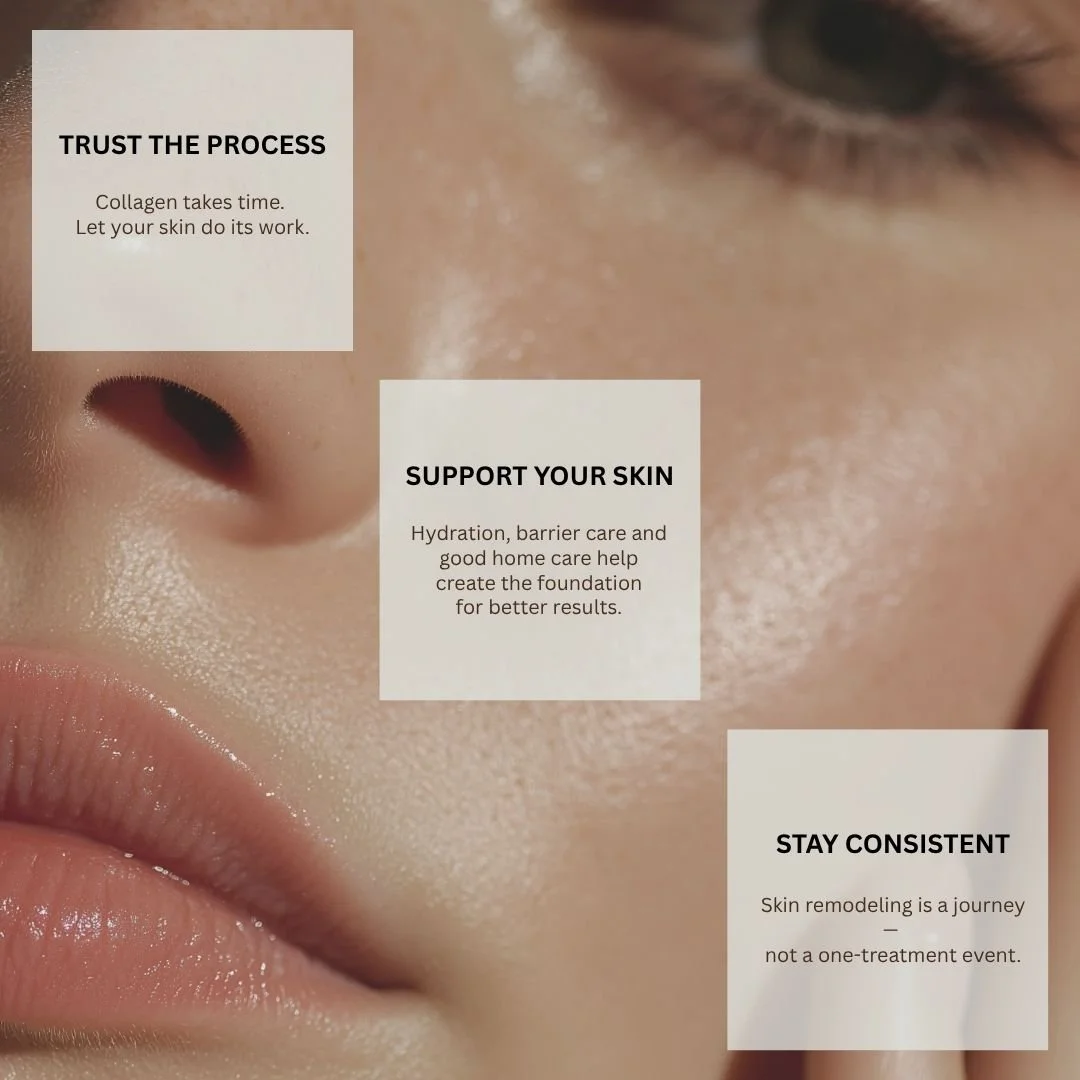
The Right Treatment is Not Always The Most Agressive One
At ICI PARIS, we believe that choosing a treatment should never be about simply selecting the newest or most intensive option. Healthy-looking skin is built with consistency, patience, and a thoughtful approach. Sometimes your skin needs hydration and preparation before collagen stimulation. Sometimes it needs a series of regular microneedling treatments. And sometimes a more advanced treatment, such as RF microneedling, is the right next step.
The goal is always to choose the treatment that makes sense for your skin — not just the treatment with the most technology attached to it.

The best approach depends on several factors, including:
- Your skin condition
- Your age and current level of collagen loss
- Skin laxity
- Scarring or textural concerns
- Your treatment history
- Your lifestyle and downtime preferences
- Your budget
- Your long-term skin goals
This is why a personalized consultation is so important.
A Personalized Skin Plan
Both traditional microneedling and RF microneedling can be valuable tools for improving skin quality and supporting collagen.
The key is understanding when to use which one.
During your consultation, we look at the bigger picture: your skin condition, concerns, previous treatments and long-term goals.
From there, we can determine whether traditional microneedling, RF microneedling—or a combination of treatments—would best support your skin.
Because when it comes to collagen stimulation, more is not always better. The right treatment, at the right time, is what matters.
Ready to Find Out Which Microneedling Treatment Is Right for You?
Book a consultation with our team and let us create a treatment plan based on your skin, your concerns and your goals.
Healthy skin is a journey—and the best results start with the right plan.