
The Best Summer Skin Care Tips

It’s time to adjust how you care for your skin. Why? Because during the summer, we spend more time in the sun, and the change in season affects our skin differently than the winter months do. Here are a few tips to help keep your skin healthy during the hotter months.

Think Beyond
Beyond sunscreen, there are a few other summer essentials that can help keep your skin healthy, hydrated, and glowing all season long. Lightweight moisturizers, antioxidant serums, hydrating mists, and non-comedogenic makeup can all help protect your skin from heat, sweat, sun exposure, and seasonal breakouts. Don’t forget accessories like sunglasses, hats, and protective clothing for added protection.

Check your Sunscreen
Sunscreen has an expiration date and most likely the sunscreen you bought last summer has expired over the winter months.
Chemical and mineral sunscreen have different shelf lives, so don’t forget to check the packaging!
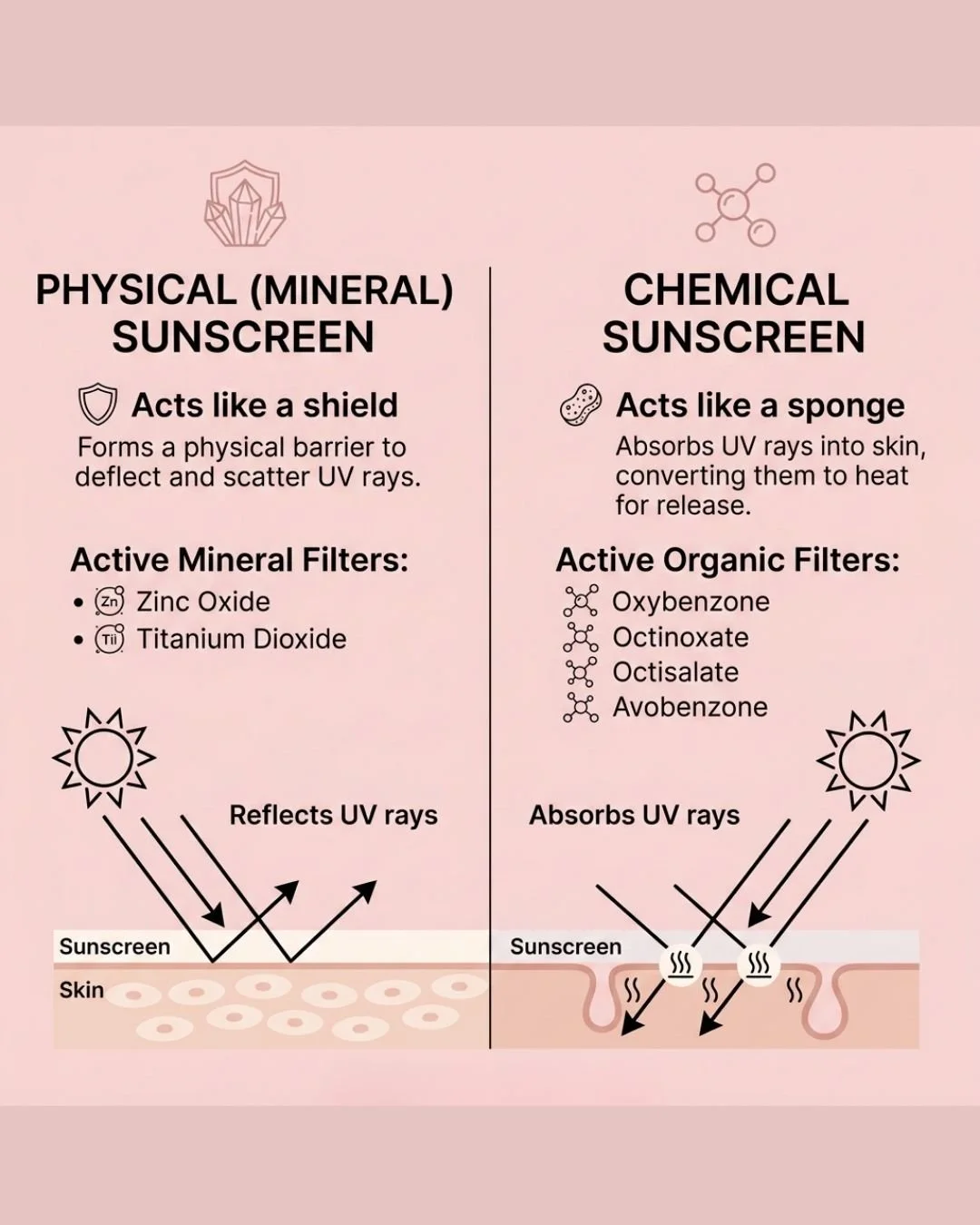
Mineral or Chemical?
Understanding the difference between chemical and mineral sunscreen is important because both function differently. Chemical sunscreen (avobenzone, oxybenzone, octisalate, homosalate, octocrylene, octinoxate) absorbs into the skin and then absorbs UV rays, converts the rays into heat, and releases them from the body. Physical sunblock sits on top of the skin and reflects the sun’s rays.

Sweat, Water + Sunscreen
To stay protected all day, you need to reapply every two hours. If you’re swimming or sweating a lot, you’ll need to reapply more often. If you're looking for long-lasting sunscreen don’t be fooled by the word “waterproof”. There is no such thing as waterproof, as water and sweat can wash them off. The word “waterproof” means that the provided sun protection is effective for 40 min in water. The word “sport” can only stand for products that are proven to protect you for 40 min when you are sweating. This or that you still need to reapply every 2-3 hours.
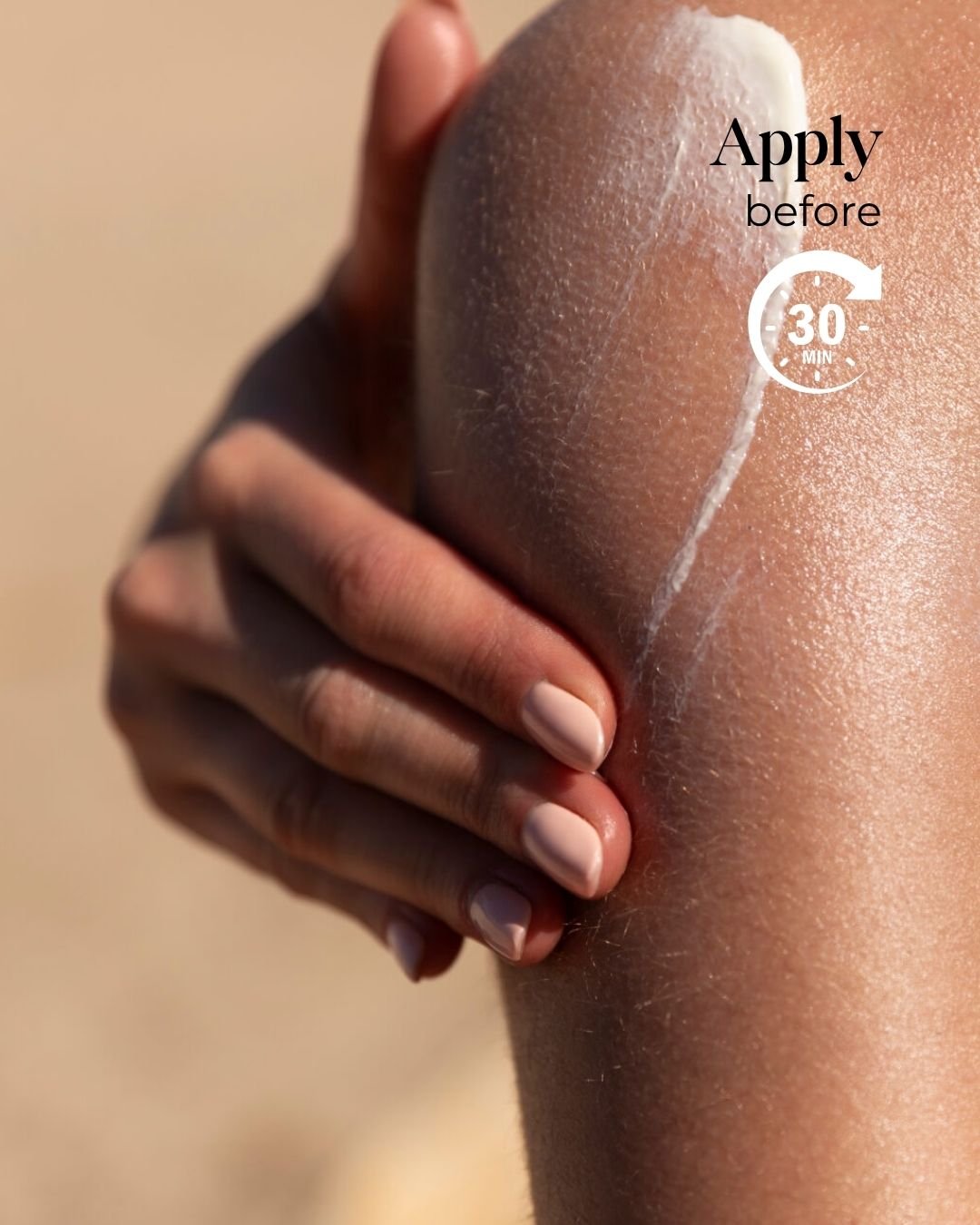
Timing Matters
Mineral sunscreen does not require time to set in because it sits on the top of the skin, whereas chemical sunscreen should be applied at least 30 min before sun exposure because it needs to take time to absorb into the skin. Put sunscreen on before leaving your house instead of outside to allow it to set in.

During the Hottest Hours
Limit direct sun exposure during the middle of the day, between 10 a.m. and 3 p.m., when UV rays are strongest. These rays can cause sunburn and increase the risk of skin cancer. Be sure to wear sunscreen and protective clothing when spending time outdoors.
Get Facial Treatments packed with vitamins, antioxidants, pure oxygen and hydration.
Get professional facial treatments to give your skin an extra boost of nourishment and hydration. These treatments are often packed with vitamins, antioxidants, pure oxygen, and deeply hydrating ingredients that help refresh and revitalize the skin. They can support a brighter complexion, improve skin texture, and leave your skin feeling healthy, balanced, and glowing—especially during the summer months when skin is more exposed to sun and environmental stress.
Have qiestions? Book your complimentary skin analysis prior to receiving any treatments.

Mineral Rich + Energizing
G..M Collin Vitamin C Facial Treatment is an antioxidant-rich, anti-aging treatment that revitalizes the skin with a potent dose of Vitamin C, organic seaweed extract, and marine minerals. This facial is ideal for brightening the complexion, improving elasticity + protecting against environmental stressors.

Oxygenate + Glow
LUZERN Organic Oxygen Facial is a non-invasive, deeply rejuvenating skincare treatment that infuses the skin with pure, medical-grade oxygen combined with Luzern’s nutrient-rich, clean skincare formulas. Designed to detoxify, hydrate, and revitalize, this facial is perfect for dull, tired, or environmentally-stressed skin.

Plump + Renew
G.M Collin Botinol Facial Treatment is a powerful, non-invasive age-defying treatment that targets expression lines and wrinkles using advanced peptides and neurocosmetic ingredients. Often referred to as a "needle-free Botox," this facial offers visible results without discomfort or downtime.

Remember You’re Unique
There are so many kinds of sunscreens out there because different people may have different sunscreen needs. Some people may just need it for everyday wear, while others are looking for water-resistant or sweat-proof protection. Plus, people have different skin types so it’s important to be aware of what works for your skin and choose your sun lotion based on skin type and condition. For oily and acne-prone skin, look for “non-comedogenic” sunscreen. If you have dry skin, consider looking for hydrating ingredients, called humectants in the formula, like hyaluronic acid, and ceramides. If you have sensitive skin, we would suggest picking up a mineral sunscreen because they sit on top of the skin.
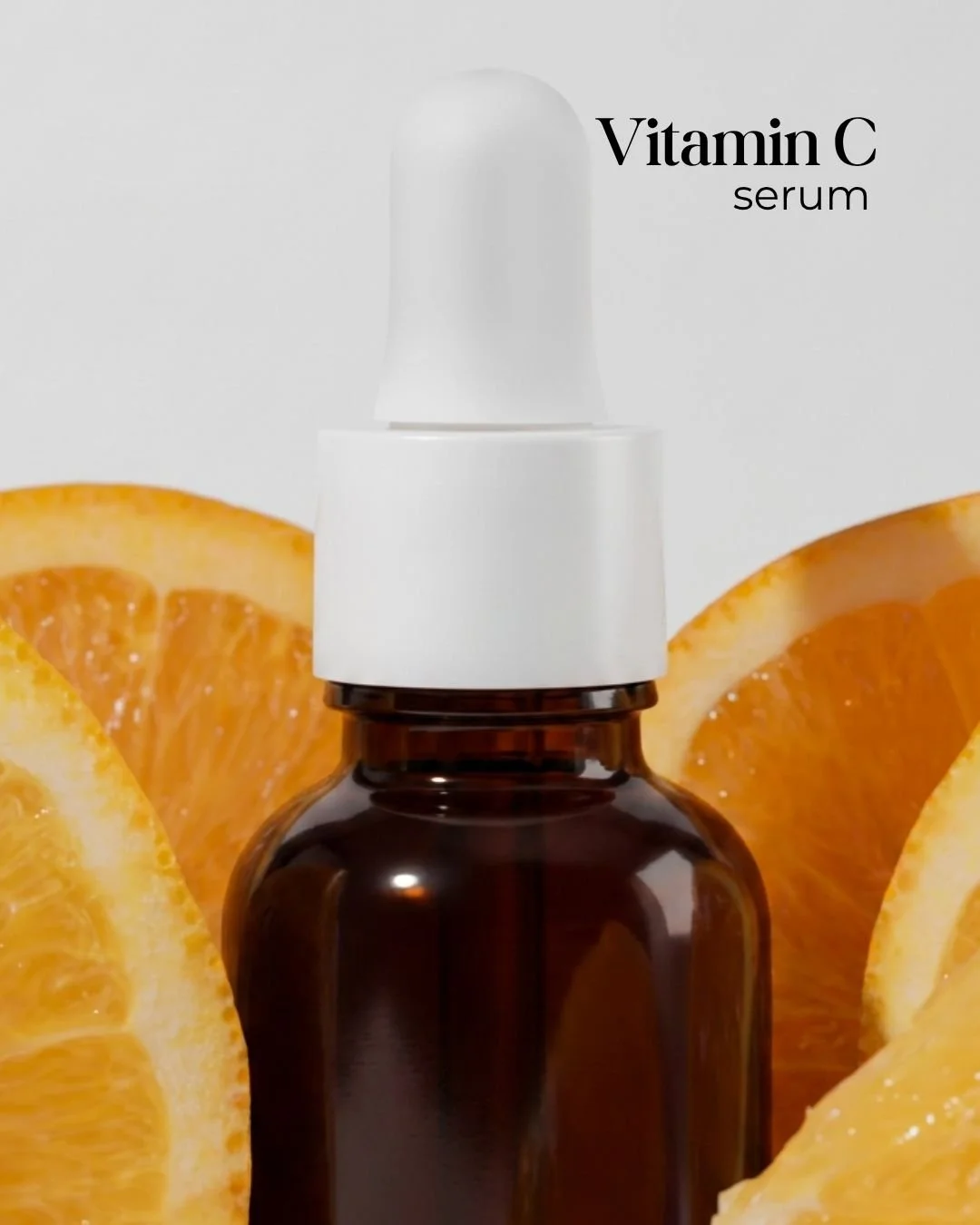
A Must-Have for Radiant Skin
Vitamin C is great year-round, but most importantly in the summer. It will help even skin tone and get rid of those sunspots. Vitamin C helps prevent hyperpigmentation, improves the appearance of fine lines, and can help with collagen production. Layer a few drops on your skin between cleansing and moisturizer. Check below our options.
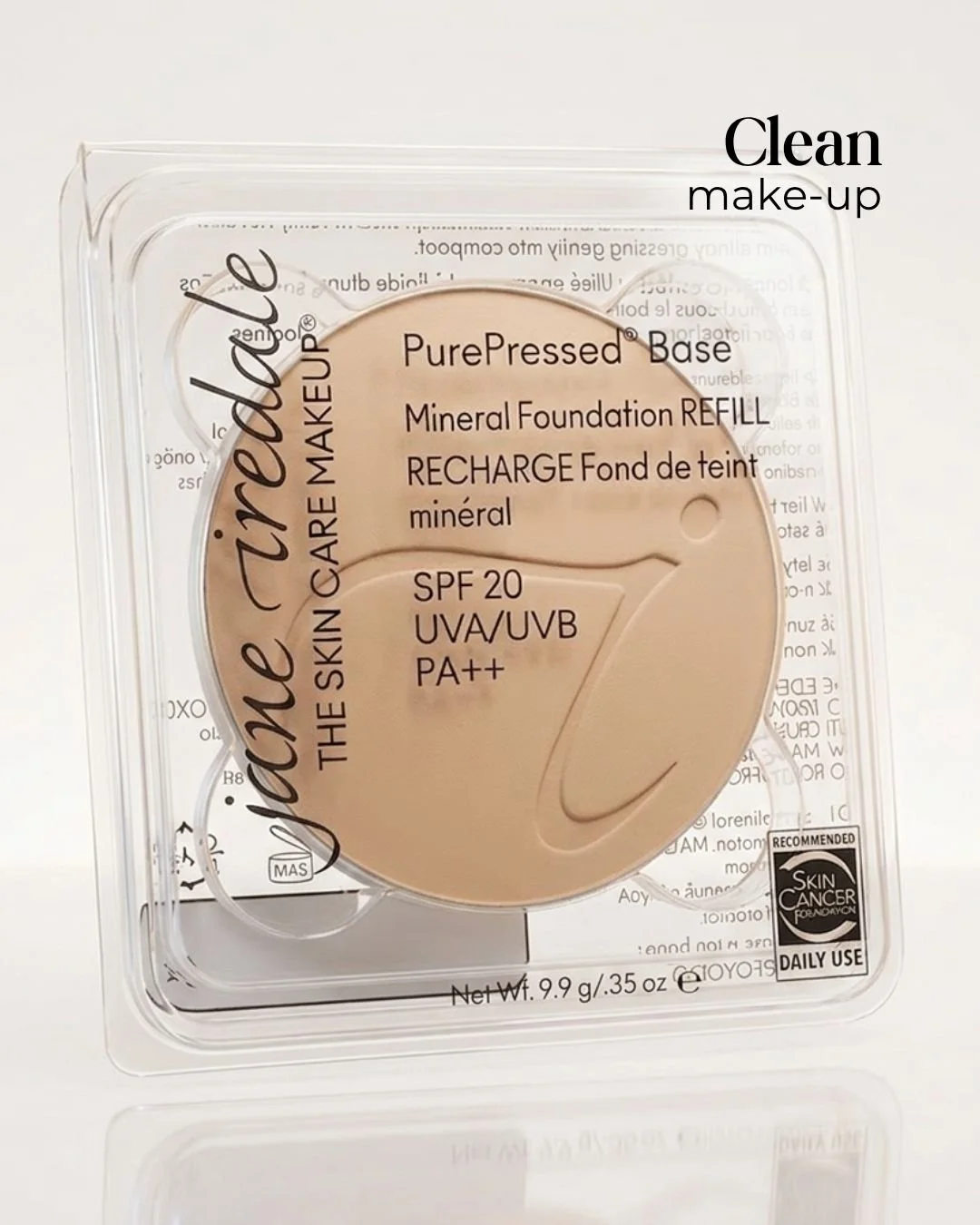
Go for Lightweight + Non-Clogging Formulas
Take a close look at your makeup product labels and only keep those that are noncomedogenic. That's a fancy word for a product formulated without pore-clogging ingredients. Especially for the summer, it’s important to wear makeup that doesn't clog your skin. Check out the options by Jane Iredale.
FAQ
-
Spf stands for Sun Protection Factor, it only shows the protection rate against UVB, meaning how much UVB can be filtered out by the particular product. We recommend min SPF30 throughout the whole year, which can filter out 97% of the harmful UVB. To put in perspective, SPF 15 filters about 93% of UV-B rays; and SPF 50 filters about 98% of UV-B rays.
-
Although both UVA and UVB are in the ultraviolet class, there are several important differences between them. UVB are the rays responsible for tanning and sunburn. They do not go deep into the skin. UVA is responsible for premature aging of the skin. They penetrate deep into the skin.
-
Skin is sensitive, in their case choose products that are directly formulated for them and won't cause skin irritation. For 0-6-month-olds we suggest avoiding any sun lotion and rather dressing them in proper protective garments, seeking shades, and avoiding the hottest hours to be outdoors. Beyond 6 months old we recommend physical (zinc or titanium dioxide) based sun protection.
-
You won't get vitamin D deficiency by wearing broad-band sun protection and you will get your daily dose of production by having the size of your two hands out for 10 min.